FROM SLUM TO SCENIC VIEW: A history of Mount Pleasant, Whitehaven
FROM SLUM TO SCENIC VIEW
A history of Mount Pleasant, Whitehaven.
by Jonathan Fraser, Cumbria and Borders History
The steep steps beside the harbour are all that remains of Mount Pleasant- an area of housing once labelled one of the worst slums in Britain.
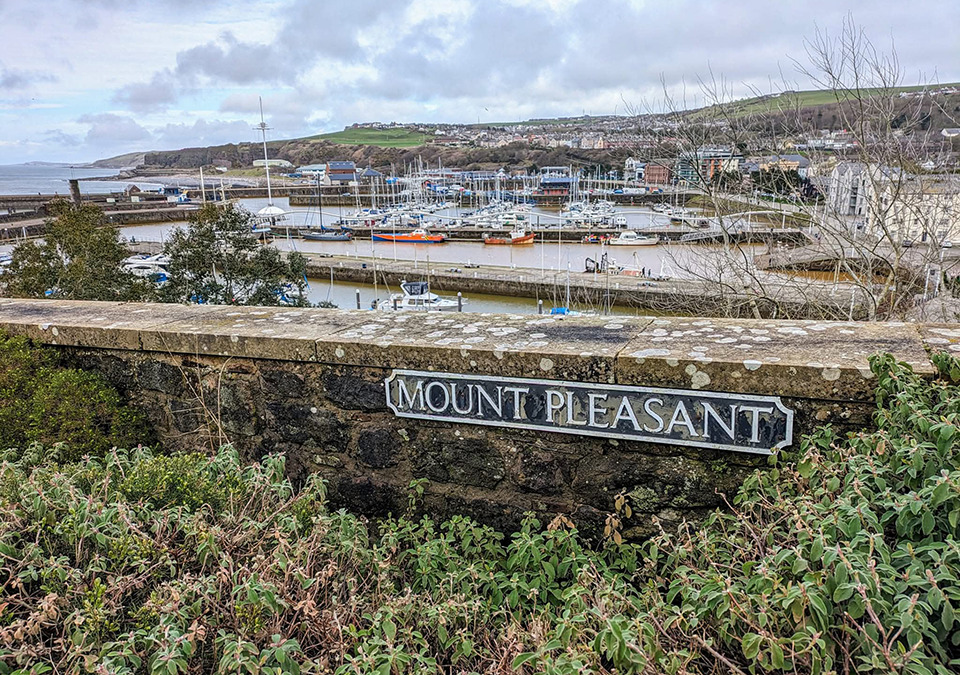
Today, once you have reached the top, you can enjoy the stunning coastal views that stretch beyond Whitehaven. Whilst this view would be familiar, minus the offshore wind farm, with the towns previous inhabitants, life for those who lived on this steep hillside would have been starkly different.
In the 17th century, and for almost a century after, Mount Pleasant was well deserving of its name. This district formed part of the hanging gardens of the mansion of Christopher Lowther before the family acquired Whitehaven Castle, then known as The Flatt.
Mount Pleasant then passed into the possession of the Addison family before it became the property of James Hogarth, one of Whitehaven’s earliest benefactors, in 1781. The district was occupied by weavers, with Hogarth building a linen manufactory. The area was still ‘pleasant’ at this time- the small cluster of dwellings were surrounded by open spaces and gardens.
Hogarth was committed to the wellbeing of his workers; as well as building houses, Hogarth built a place for the workers to attend worship. He also opened a charity school, providing free books for the children of the workers. Providing you attended church and sent your children to school, Hogarth was offering a good deal- a job and a house. This earned him the nickname the King of the Mount.
Hogarth introduced a way for the poor to earn money from their own home as home-spinners. He was more than fair by paying them above the going rate for a spinner. Each spinner used one spinning wheel, and for every three hanks spun they would be paid for four. Admittance to the program was through certification from the minster of the congregation to which they belonged, testifying their moral character.
Hogarth had an eventful year in 1789. In the June, part of his new weaving shed collapsed which was caused by the digging of a new reservoir. It was only the ground floor looms that prevented the upper floor from falling in. In the August, the concecrating of his church was postponed and it never did get concecrated. Using income from the sale of property freeholds to pay a masters wage, his free school was opened in the November.
He died in 1796 at the age of 71. By 1835 the days of Mount Pleasant had took a turn for a worse and it was now described as a slum. On both sides of the steep stairs stood small houses for the collier workers. The size of the homes weren’t fit for purpose for the workers and their large families. The children were often out on the steps crawling around close to the edges.
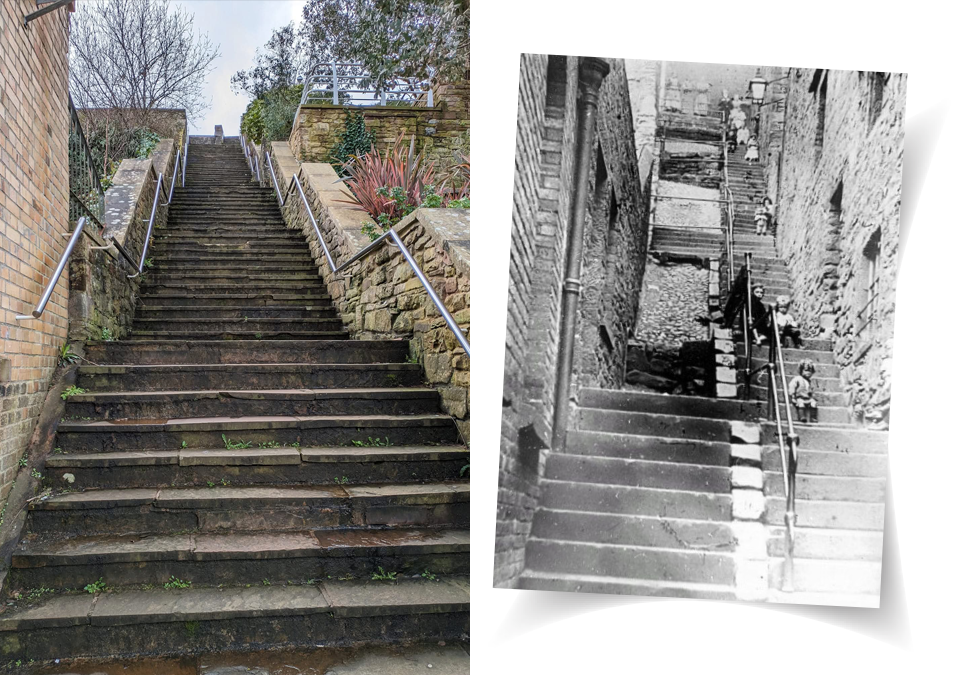
In one description, children were said to tumble down the stairs on many occasions, only avoiding tumbling the full flight by others stopping them. Worn down steps made for a perilous place for these children to play. The steps were a filthy place, covered in black soot from the collieries, and the faces of those who lived there were the same.
Sir George Head described Mount Pleasant on a tour of Britain. He wrote “Except South Shields, I think I have never ascended a more uncouth flight of stone steps than those which lead from the docks at Whitehaven to the high land of southern extremity of the town”. He also described the dangers of the steps, “a step one way or the other carries a child to its cradle or grave”.
Despite those claims that it was one of Britain’s worst slums, it is easy to imagine that there was a great sense of community spirit from the families of Mount Pleasant. A home for those hard workers of the time, a place which was theirs despite what those looking in might describe it as.
In the 1930s the houses were cleared of any occupants and in the 1950s the demolition of the houses started.
Today Mount Pleasant lives up to its former name. Where houses once stood on the hillside, there are now terraced gardens and seating areas. You can enjoy a pleasant stroll around the harbour and enjoy some beautiful views of the Cumbrian coastline.
If you enjoy reading about local history, be sure to follow Jonathan’s popular Facebook page for more;
www.facebook.com/BordersCumbriaHistory

If you love our magazines, we can now deliver them directly to your door, ensuring you never miss an issue! Subscribe & Save for a guaranteed 12 months of delivery direct to your door!
Share It: