Carlisle Under Siege: Bonnie Prince Charlie’s bold march South…
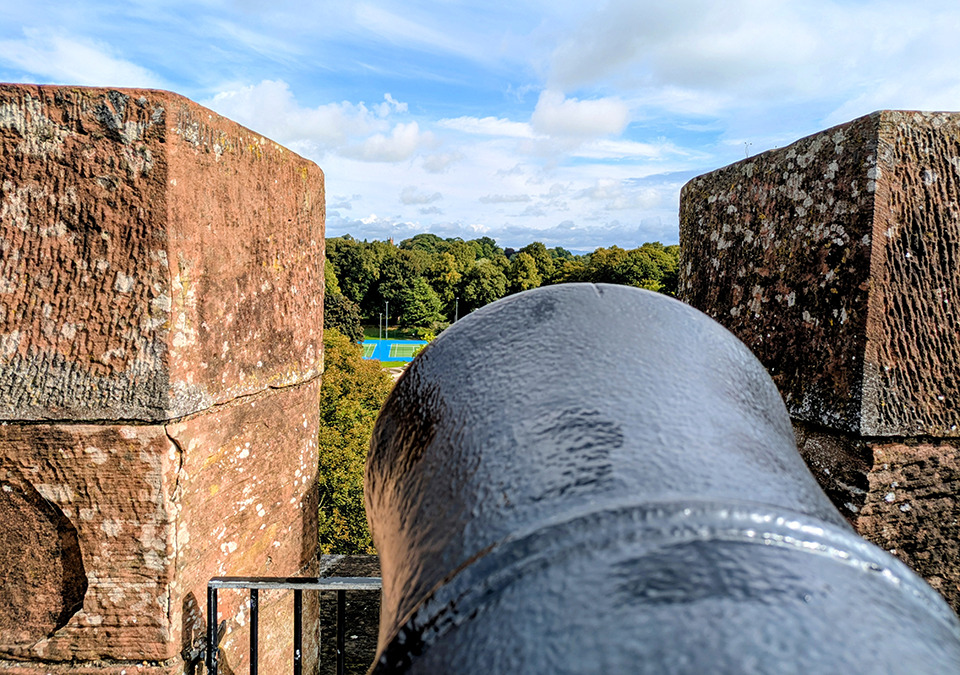
Carlisle Under Siege
Bonnie Prince Charlie’s bold march South…
by Jonathan Fraser, Cumbria and the Borders History
In November 1745, the city of Carlisle found itself at the centre of one of the most dramatic moments of the Jacobite Rebellion. Led by Charles Edward Stuart—better known as Bonnie Prince Charlie—the Jacobite army marched south from Scotland with the aim of restoring the Stuart line to the British throne.
By early September, word had reached Carlisle that an army of around 5,000 Highlanders was advancing. The city’s defences were weak: only about 1,250 men were available to defend the walls, and attempts to bring reinforcements from Newcastle were halted by heavy snow across the Pennines. As the Jacobite forces approached, fear spread rapidly among the townspeople. The Highlanders, known for their fierce fighting reputation, were seen as a terrifying threat.
“The siege of 1745 marked the last time Carlisle would endure such an assault.”
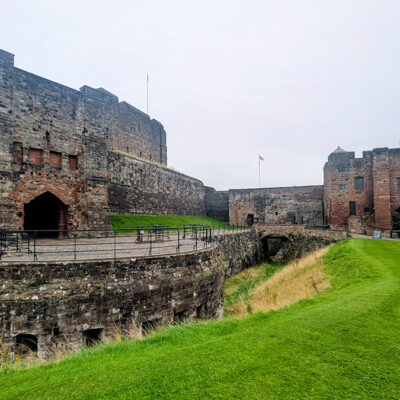
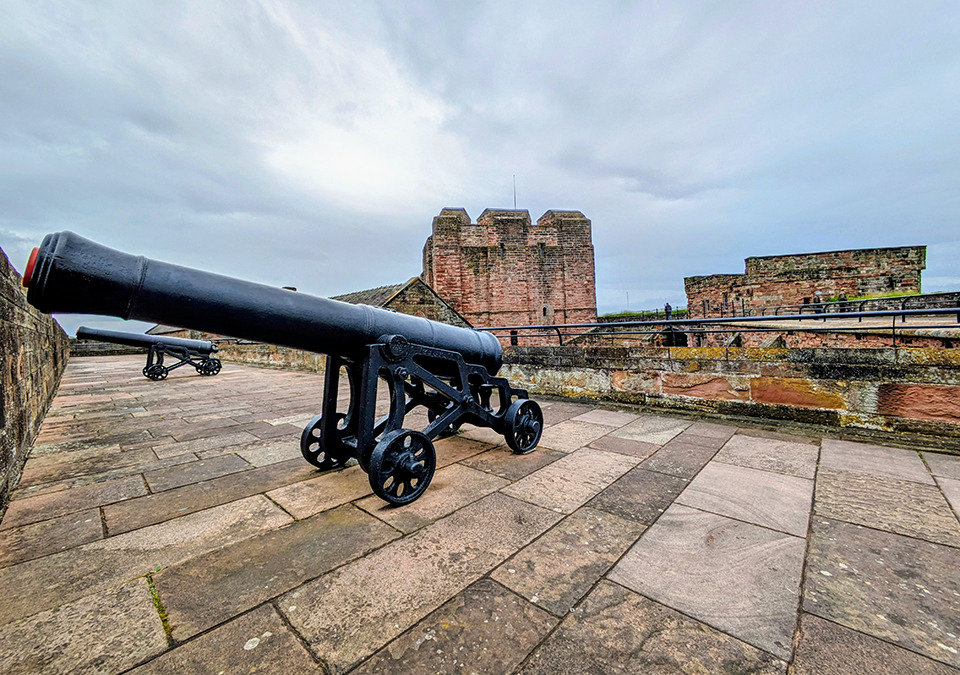
By 9 November, the Jacobite army was encamped outside the city. On the night of 13 November, under cover of darkness, the rebels began their assault. The city garrison fired repeatedly but inflicted no casualties, and soon the Jacobites had all thirteen of their cannon positioned to bombard the defences. By the next morning, it was clear that Carlisle could not withstand the attack. The defenders’ morale collapsed, and on 14 November 1745, the city surrendered. Colonel James Durand, commander of the Carlisle garrison, wished to continue resistance from the castle, but the Jacobites refused to accept surrender unless the castle itself was included.
According to local tradition, Bonnie Prince Charlie entered Carlisle on 17 November, led by a procession of 100 pipers. The victory, however, was short-lived. The Jacobites found little local support in Carlisle, and when their main army pushed south towards England, only a small garrison of around 400 men was left to hold the castle.
The Jacobite advance reached as far as Derby by 4 December 1745, but a lack of English backing and the failure of promised French landings forced the army to retreat north. Pursued by the Duke of Cumberland—nicknamed The Butcher—the Jacobites fought a brief skirmish at Clifton Moor before crossing back into Scotland on 20 December. The Carlisle garrison was left behind to face the full force of Cumberland’s army.
On 21 December, the English forces surrounded Carlisle. Siege guns from Whitehaven and mortars from Newcastle began a relentless bombardment. The Duke described the city as “an old hen-coop,” its defences outdated and weak. After days of heavy shelling, holes were blasted through the walls, and on 30 December the Jacobite defenders surrendered.
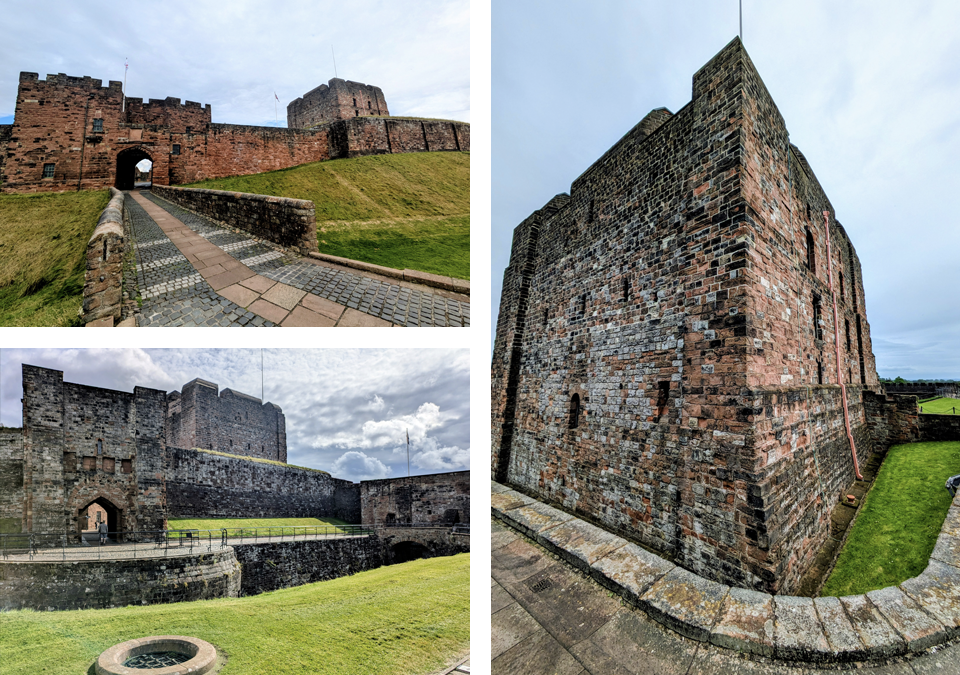
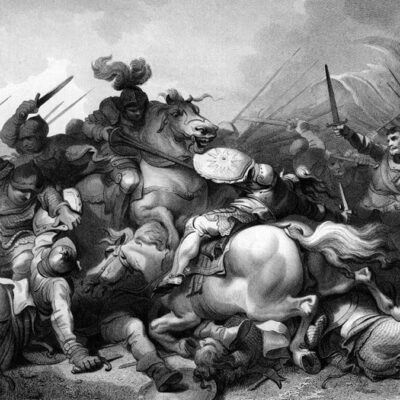
The rebellion’s final chapter came on 16 April 1746 at the Battle of Culloden near Inverness, where the Jacobite army was crushed. Carlisle Castle was then used as a prison for captured rebels—at least 33 were executed at Harraby Hill, and many others were transported to North America. Bonnie Prince Charlie fled to France, later living in exile in Italy until his death.
The siege of 1745 marked the last time Carlisle would endure such an assault—closing a turbulent chapter in the city’s long and storied history.
www.facebook.com/BordersCumbriaHistory
To learn more about what’s happening, follow Cumbria Guide on our social media
Share It: