Paul Eastham asks; “WHERE ARE ALL THE VIKINGS?”
WHERE ARE ALL THE VIKINGS?
Evidence of Viking homes in Cumbria is surprisingly scarce.
by Paul Eastham
If Cumbria was taken over by a massive Viking invasion – why can’t we find their houses?
The famous founder of the National Trust Canon Hardwicke Rawnsley announced in 1911 that Cumbrians were of the “square-jawed Viking race”. The tall, blue-eyed Statesmen farmers he saw striding through Keswick market place must have descended from thousands of Norse warriors who landed in the 10th century and carved Scandinavian stone masterpieces like the Gosforth Cross and the Giant’s Thumb by St Andrew’s Church in Penrith, Rawnsley decided.
But, archaeologists and historians scoured Cumbria ever afterwards to find Viking homes, the proof that the ship-borne warriors drove the native Celts out of the Cumbrian mountains, grabbed their farms and settled down to centuries of profitable raping, pillaging and sheep farming.
Unfortunately for Cumbrian tourism companies hoping to attract fans of the wildly fantastical The Last Kingdom television series, no trace of any Viking residences turned up for years and a major dispute among experts about just how big any Norse influence could have been has raged – until now.
Scandinavian trader-warriors did arrive on the Cumbrian west coast in the 10th century. But they were few and “half dead” according to the Annals of Ulster, after being bloodily ejected from Dublin in 902AD by the Irish Kings who were fed up with them raiding the interior, capturing any good-looking youngsters they found and selling them as slaves from the Baltic to Muslim Spain.
Historians calculate the Norse “invasion” of Cumbria could not have numbered more than about 1,000 people out of a total population of 10,000 and as the name Copeland indicates (Krupa-land in Norse) meaning “bought land”, they were peaceful.
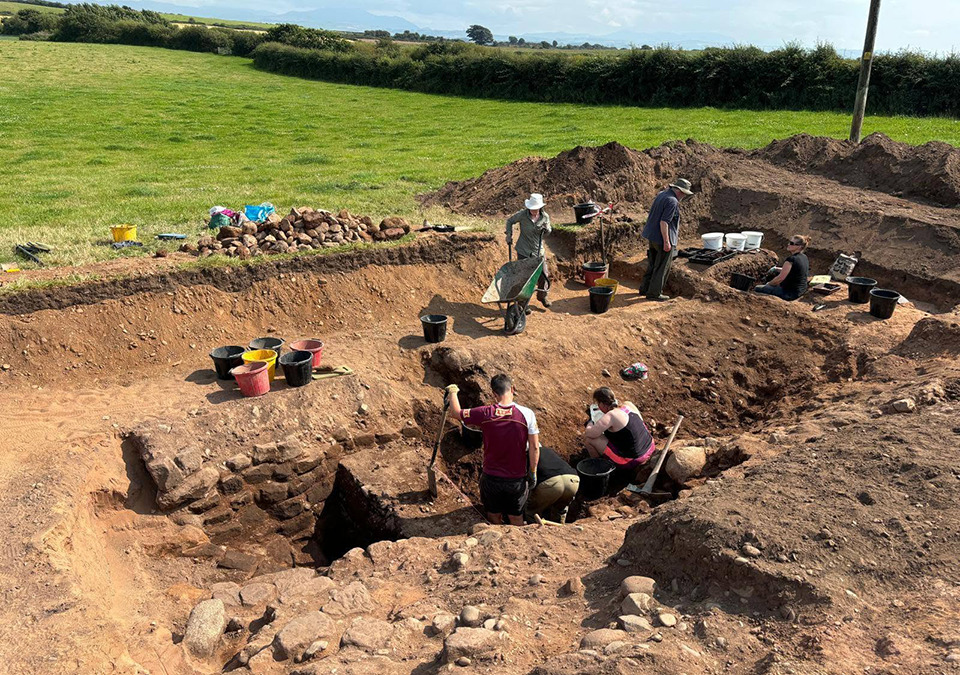
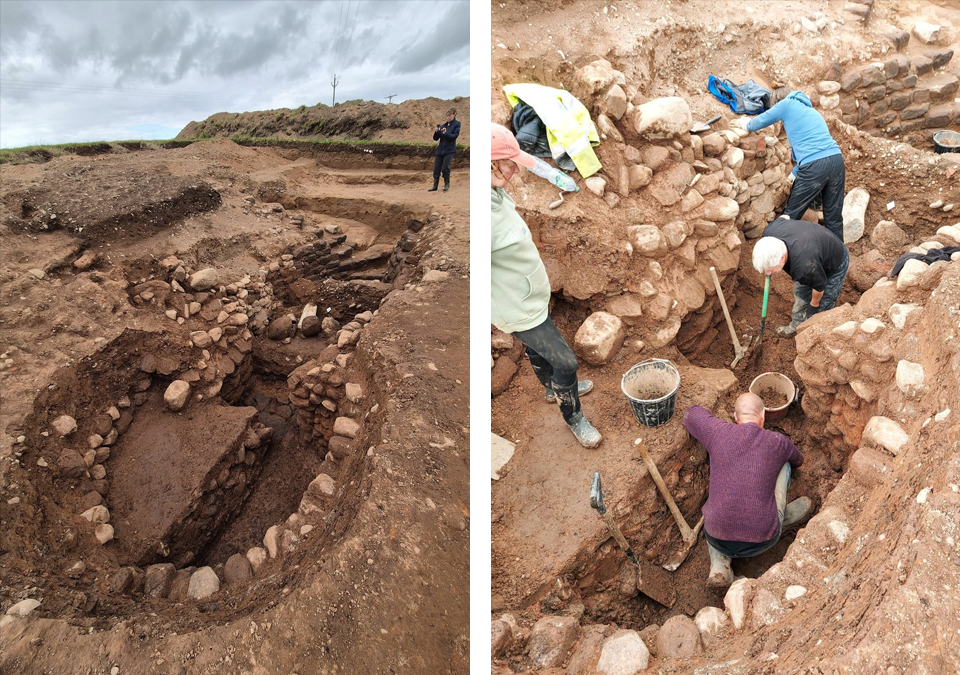
However, archaeologists from the Grampus Heritage company have suddenly discovered not just a Norse house, but the largest Viking age building ever unearthed in Britain – at High Tarns Farm near Silloth, Cumbria, about 20 miles west of Carlisle.
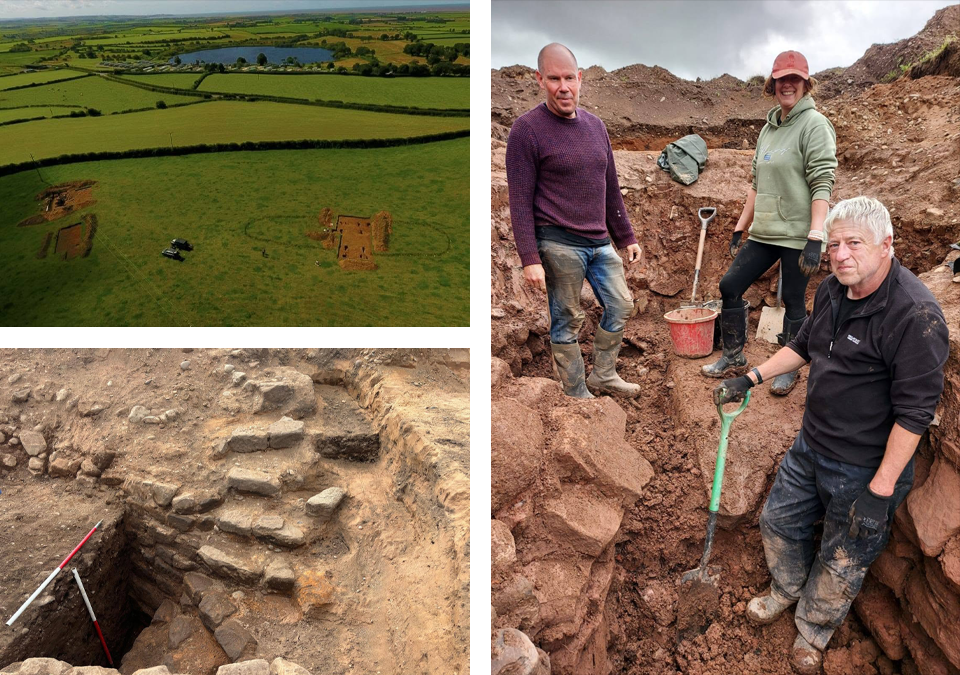
“The significance of this discovery, in shedding light on the early medieval period and social structure in rural Cumbria and more widely, is hard to overstate.”
It was almost certainly the spectacular residence of a wealthy Jarl, a member of the top echelon of Viking society, a military commander and counsellor of kings.
The main hall of this Viking farm was 150 feet long and 60 feet wide. These are almost the same dimensions as the nave of St Paul’s Cathedral in London, dating to between 990AD – 1040 AD.
Mark Graham, Grampus Heritage’s Project Manager, said: “This is the largest Viking Age building to be discovered and excavated in Britain. The significance of this discovery, in shedding light on the early medieval period and social structure in rural Cumbria and more widely, is hard to overstate.”
And the Cumbrian Vikings were friends, not murderers.
The Jarl who owned this impressive manor farm, was a regional power-broker and a war leader. He was an ally of the king of the Cumbrians, Owain ap Dyfnwal (The Bald) who reigned until 1015 AD.
This Jarl or his closest associates will almost certainly have commanded a significant part of the Celtic army against the English King Aethelred the Unready.
In 1000 AD, the king attacked Cumbra-land in and suffered a humiliating defeat. The Vikings helped preserve Cumbra-land’s independence from what became England. Cumbria survived as a proud self-governing kingdom until 1098, when the Normans arrived.
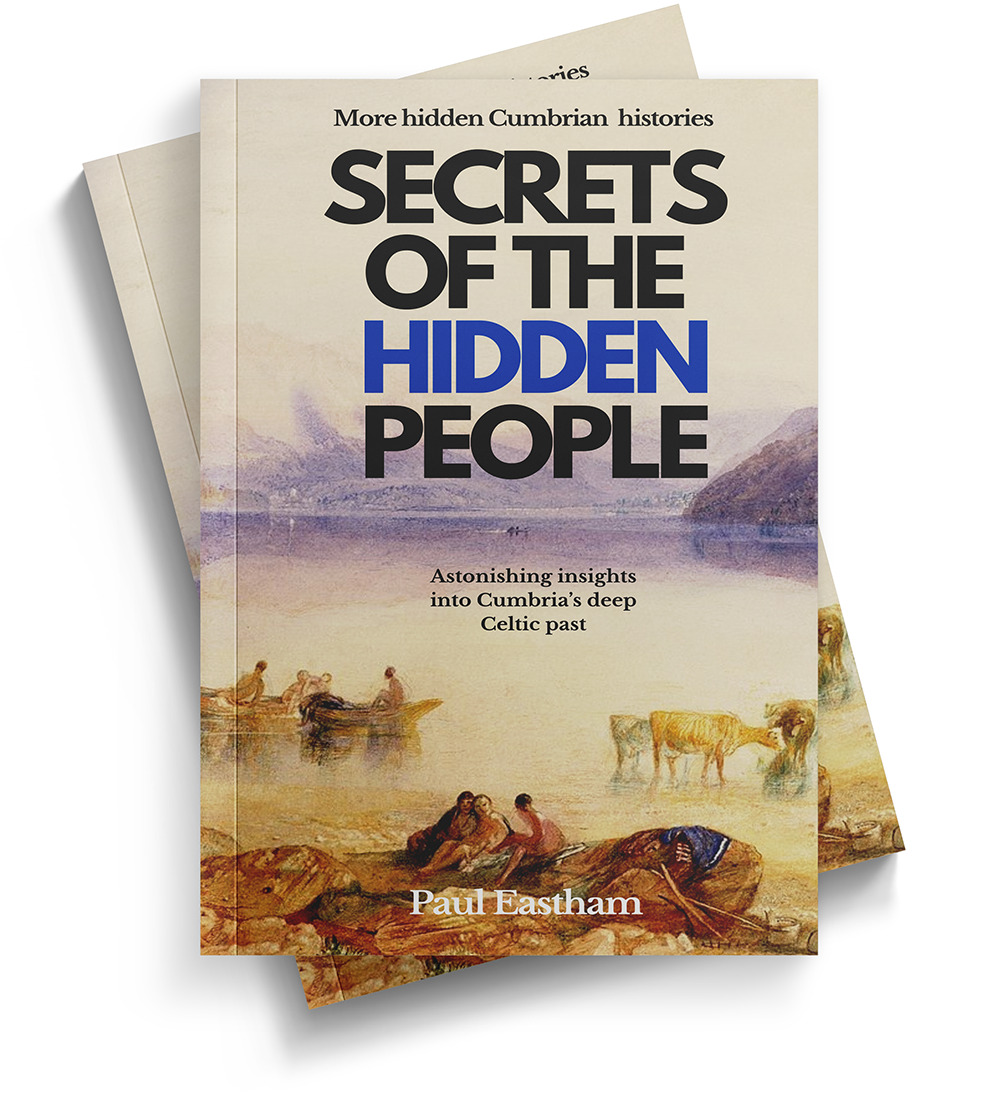
To read more, you can buy ‘Secrets of the Hidden People’ from fletcherchristianbooks.com
If you love our magazines, we can now deliver them directly to your door, ensuring you never miss an issue! Subscribe & Save for a guaranteed 12 months of delivery direct to your door!
Share It: