Follow in the footsteps of Iron Age tribes, Romans and Border Reivers at Epiacum Roman Fort
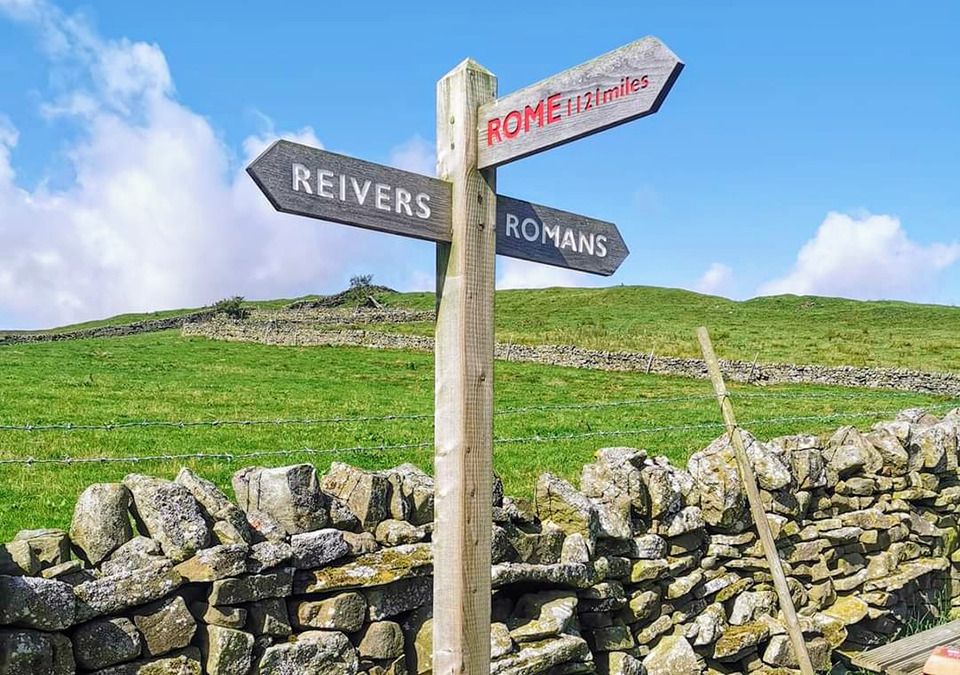
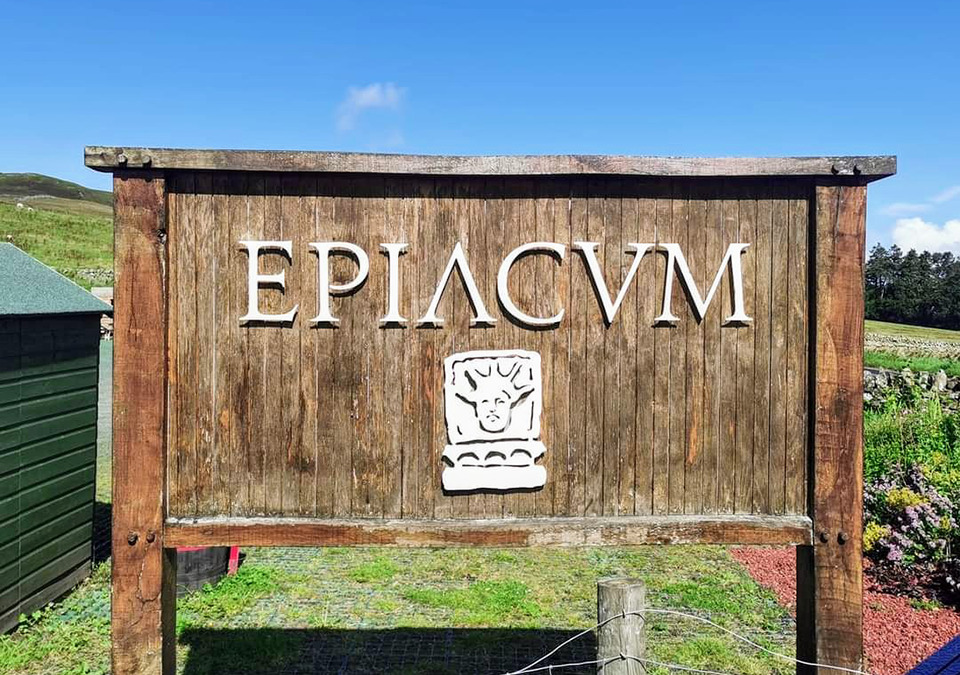
Epiacum Roman Fort, Alston
Follow in the footsteps of Iron Age tribes, Romans and Border Reivers.
by Jonathan Fraser, Cumbria and the Borders History
If you visit Epiacum Roman Fort, you will be visiting the highest Roman Fort in Britain (1,050 feet above sea level).
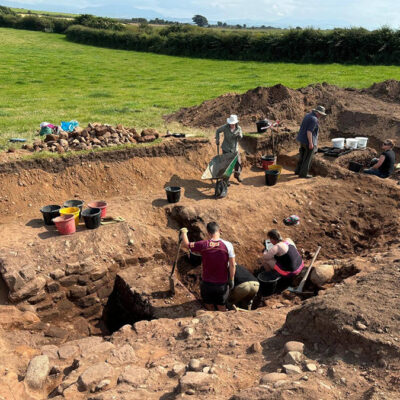
It was originally built in the early 2nd century AD by the Roman army, near the Cumbrian town of Alston, although it is situated in Northumberland, it is only a short walk away to the Cumbrian border. It was partly demolished then rebuilt again in 200AD. The most likely reason for it being demolished is due to the uprising of the northern tribes in 196 when the fort was ravaged.
It appears to have been built on the site of an Iron Age fort, locals had been farming these lands for centuries before the arrival of the Romans. Although some locals will have lived alongside the Romans, with some even being conscripted to the army, it is likely others were uprooted due to the threat they posed. After the Iron Age fort, the Romans built a camp there before eventually building the permanent fort. It housed around 600 men, made up of 480 infantry and 120 cavalrymen.
The flat land near the Wellhouse and Holymire Bastle houses was used as a parade ground. There are also signs in the corner of the same area of a possible Romano-British round house settlement.
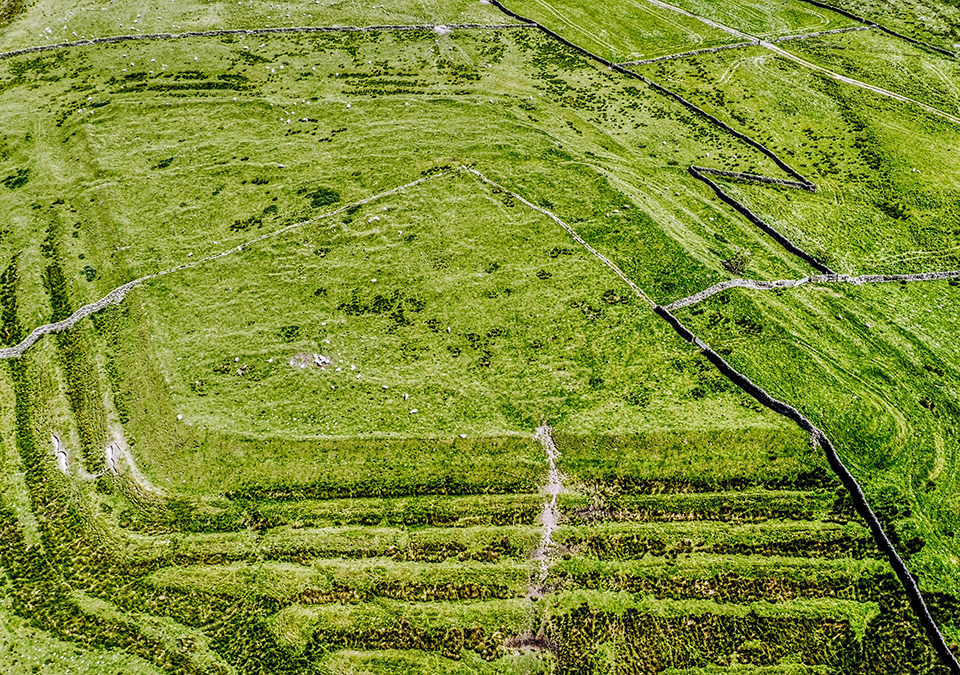
It is unique in its shape; unlike most forts which are the ‘playing card’ shape, Epiacum is a diamond shape/parallelogram. Numerous banks and ditches surround the stone ramparts. It has one of the most complex defensive earthworks of any fort in the whole Roman Empire and its ramparts are an impressive sight to see to this day as they are so well preserved.
The Maiden Way Road connected the fort to Magna Roman Fort on Hadrian’s Wall to the north and to Bravonacium Fort near Penrith to the south. It was most likely built so the Romans had control over the nearby lead mines and to support Hadrian’s Wall.
Epiacum Roman Fort is worth a visit, you get a real sense of its isolation and what it would have been like for anyone stationed there. You can also pick up an ancient trails map from The Nook Cafe and you can follow the trails to explore the Iron Age, Roman and Border Reiver history of the area. The Nook is also perfect for tasty refreshments, grab a brew and a bap and enjoy the stunning views the valley has to offer.
www.facebook.com/BordersCumbriaHistory
To learn more about what’s happening, follow Cumbria Guide on our social media
Share It: