Afternoon Tea: the history of cream cakes & tea
Afternoon tea is quite simply one of the most quintessentially British customs there is.
Dating back to the 17th century, the tradition of snacking on dainty finger sandwiches, petit fours and scones with jam and cream, combined with tea poured into a delicate teacup, is quite frankly my idea of heaven, and with most cafes and restaurants now serving the British classic, it appears the tradition never ceased.
Over the past few years, there has been an influx in eateries offering afternoon tea. Also known as ‘High Tea’, the tradition was first introduced in England by Anna Russell, the seventh Duchess of Bedford in 1840.
Although, Britons had long been drinking tea by the time Anna was born, it is believed that the Duchess became peckish at around four in the afternoon, and due to her evening meal not being served until a fashionably late hour (8pm) it meant she had to endure a four hour period between her lunch and dinner.
In the modern era, most of us would just grab a bag of crisps and raid the biscuit tin, but, Anna, being the Duchess, insisted on having bread and butter, cake and tea delivered to her room on a silver platter in the late afternoon, hence, afternoon tea.
The Duchess’s midday hunger turned into a daily ritual, and she began to invite friends to join her at Woburn Abbey, making it a social event. Before long all of fashionable society were sipping tea and nibbling sandwiches in the middle of the afternoon.
During the 1880s, upper-class and society women would change into long gowns, gloves and hats for their afternoon tea which was usually served in the drawing room between four and five o’clock.
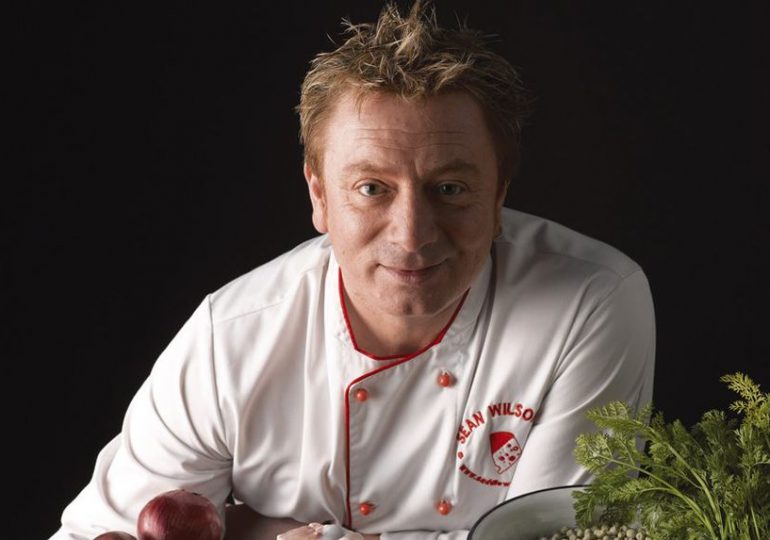
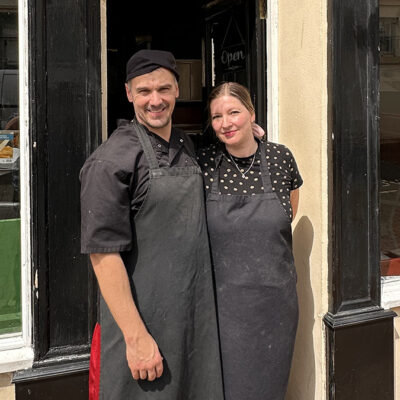
Head chef at the Waterfront in Whitehaven serves a classic afternoon tea presented with his own style and flair.
Serving ‘teapot cocktails’ as part of the afternoon tea experience, Simon said: “I think afternoon tea has become so popular for a few reasons, it’s a very sociable informal activity so appeals to a broad spectrum of people. Afternoon tea is also just plain delicious, i mean who doesn’t like sandwiches and cakes?
“Another possible reason is that as it is a relatively straight forward meal to provide and dietary requirements and quiet easily catered for, so it becomes easier for larger social groups to enjoy.”
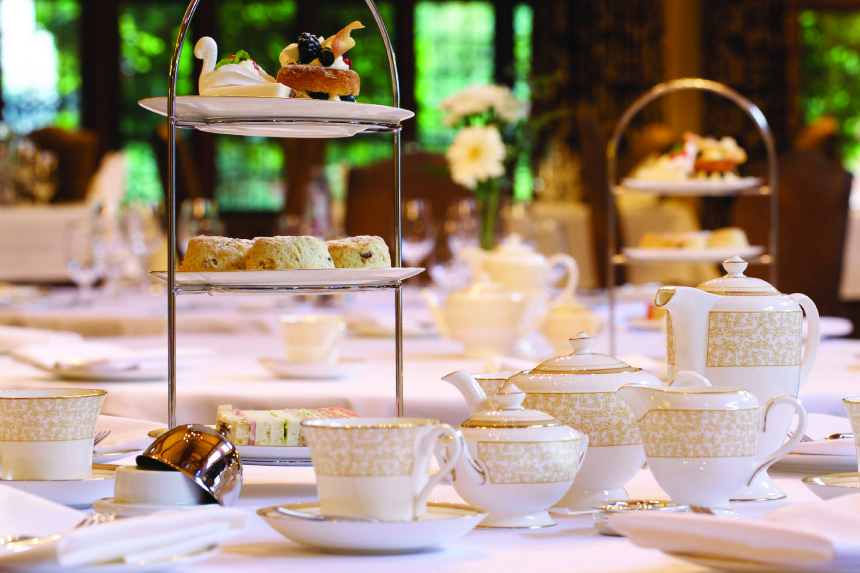
Traditionally, afternoon tea consists of bite sized cakes and pastries, a selection of sandwiches, usually smoked salmon and cream cheese, or the classic cucumber, as well as homemade fruit scones with jam and clotted cream and tea grown in India or Ceylon poured from silver tea pots into bone china cups.
‘Tea rooms’ were all the rage in the late 19th century, quickly becoming THE place for meeting friends and sharing gossip. They were also considered one of the few respectable places for women to meet without a chaperone, so the ‘out-of-home’ Afternoon Tea took off like a social network.
At some stage music was added to the occasion, and fashionable young people attended afternoon ‘tea dances’ in the most stylish of hotels, a practice which continued until the Second World War.
Simon added: “Afternoon tea is almost deemed posh mainly as it is a throwback to yesteryear, where ladies would take tea in the afternoons, usually in the grounds/ gardens of the large country homes of the upper classes.”
Today is no different. 200 years after the Duchess’s innovation, sitting down to sandwiches and cakes served on a tiered cake stand is a staple part of British life.
If you haven’t yet been treated to the above, book into one of the dozens of cafes and restaurants which serves this English classic and lunch like the Duchess wanted us to. Just like the popular musical song lyrics, ‘At half past three, everything stops for tea’.
Afternoon tea is quite simply one of the most quintessentially British customs there is.
Dating back to the 17th century, the tradition of snacking on dainty finger sandwiches, petit fours and scones with jam and cream, combined with tea poured into a delicate teacup, is quite frankly my idea of heaven, and with most cafes and restaurants now serving the British classic, it appears the tradition never ceased.
Over the past few years, there has been an influx in eateries offering afternoon tea. Also known as ‘High Tea’, the tradition was first introduced in England by Anna Russell, the seventh Duchess of Bedford in 1840.
Although, Britons had long been drinking tea by the time Anna was born, it is believed that the Duchess became peckish at around four in the afternoon, and due to her evening meal not being served until a fashionably late hour (8pm) it meant she had to endure a four hour period between her lunch and dinner.
In the modern era, most of us would just grab a bag of crisps and raid the biscuit tin, but, Anna, being the Duchess, insisted on having bread and butter, cake and tea delivered to her room on a silver platter in the late afternoon, hence, afternoon tea.
The Duchess’s midday hunger turned into a daily ritual, and she began to invite friends to join her at Woburn Abbey, making it a social event. Before long all of fashionable society were sipping tea and nibbling sandwiches in the middle of the afternoon.
During the 1880s, upper-class and society women would change into long gowns, gloves and hats for their afternoon tea which was usually served in the drawing room between four and five o’clock.
Head chef at the Waterfront in Whitehaven serves a classic afternoon tea presented with his own style and flair.
Serving ‘teapot cocktails’ as part of the afternoon tea experience, Simon said: “I think afternoon tea has become so popular for a few reasons, it’s a very sociable informal activity so appeals to a broad spectrum of people. Afternoon tea is also just plain delicious, i mean who doesn’t like sandwiches and cakes?
“Another possible reason is that as it is a relatively straight forward meal to provide and dietary requirements and quiet easily catered for, so it becomes easier for larger social groups to enjoy.”
Traditionally, afternoon tea consists of bite sized cakes and pastries, a selection of sandwiches, usually smoked salmon and cream cheese, or the classic cucumber, as well as homemade fruit scones with jam and clotted cream and tea grown in India or Ceylon poured from silver tea pots into bone china cups.
‘Tea rooms’ were all the rage in the late 19th century, quickly becoming THE place for meeting friends and sharing gossip. They were also considered one of the few respectable places for women to meet without a chaperone, so the ‘out-of-home’ Afternoon Tea took off like a social network.
At some stage music was added to the occasion, and fashionable young people attended afternoon ‘tea dances’ in the most stylish of hotels, a practice which continued until the Second World War.
Simon added: “Afternoon tea is almost deemed posh mainly as it is a throwback to yesteryear, where ladies would take tea in the afternoons, usually in the grounds/ gardens of the large country homes of the upper classes.”
Today is no different. 200 years after the Duchess’s innovation, sitting down to sandwiches and cakes served on a tiered cake stand is a staple part of British life.
If you haven’t yet been treated to the above, book into one of the dozens of cafes and restaurants which serves this English classic and lunch like the Duchess wanted us to. Just like the popular musical song lyrics, ‘At half past three, everything stops for tea’.
Share It: