The History of St. Bees Priory: Centuries of History, Raids and Restoration
THE HISTORY OF ST. BEES PRIORY
St. Bees Priory has stood witness to centuries of history, raids and restoration.
by Jonathan Fraser, Cumbria and the Borders History
The name St. Bees comes from its 12th century name Kirkeby Becock which translates to Church Town of St. Bega, St. Bee being another name for Bega. The priory is dedicated to St. Bega, who is said to have been an Irish princess who fled Ireland to avoid marriage to a Norse prince. However it is argued whether St. Bega was a princess or a cult.
Although there is no solid evidence, it has been suggested that St. Bees was a pre-Norman ‘minister church’ serving the west coast. This is evidenced through the 10th century cross and Anglo-Saxon spiral-scroll school carving.
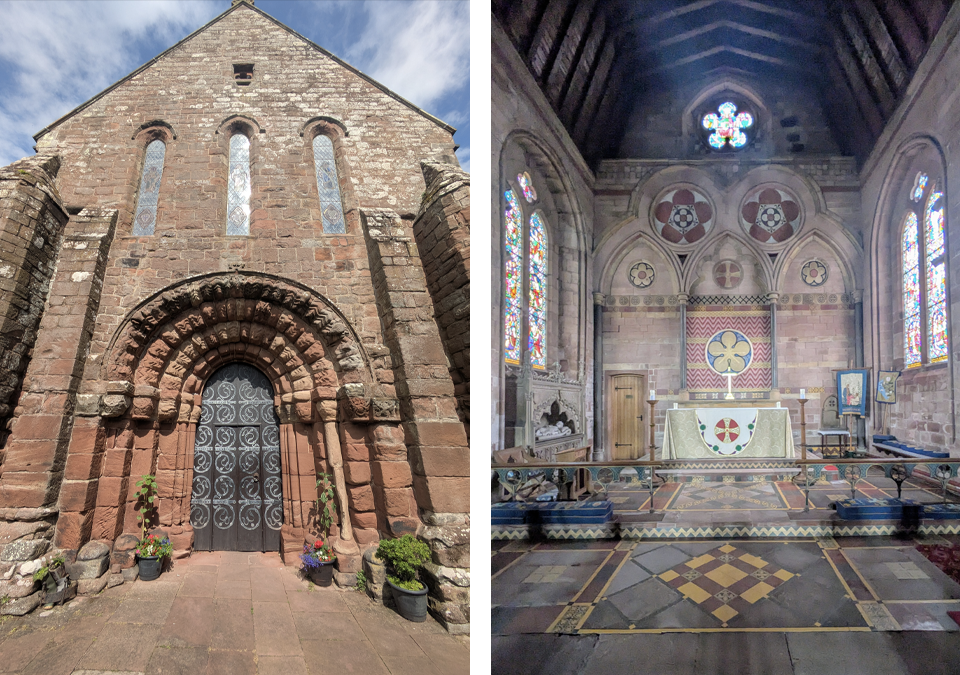
Around 1120, William le Meschin, the brother of the Lord of Cumberland Ranulf le Meschin, supported by Archbishop Thurston founded the priory. Around the same time William had the nearby Egremont Castle built.
“It was the 3rd wealthiest monastic site in the county, only topped by Holme Cultram Abbey and Carlisle Cathedral.”
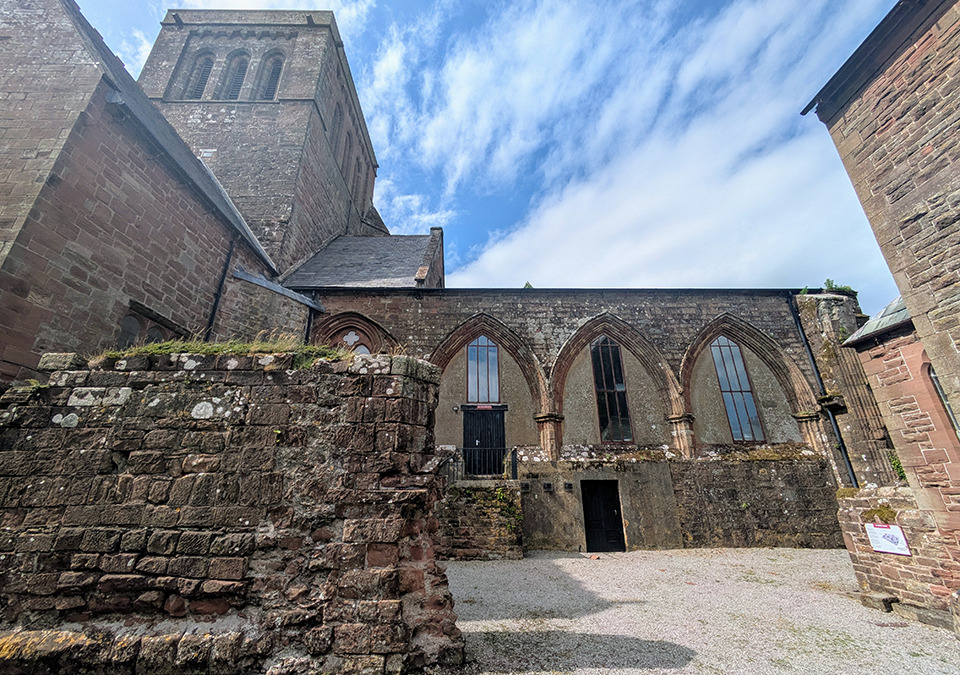
The priory which had a prior and six monks was subordinate to St. Mary’s in York. At it’s peak, it was the 3rd wealthiest monastic site in the county, only topped by Holme Cultram Abbey and Carlisle Cathedral. Towards the end of the 12th century, it was enlarged with the construction of a new chancel, it was further enlarged in the late 13th century with the construction with an aisle along the south end of the chancel.
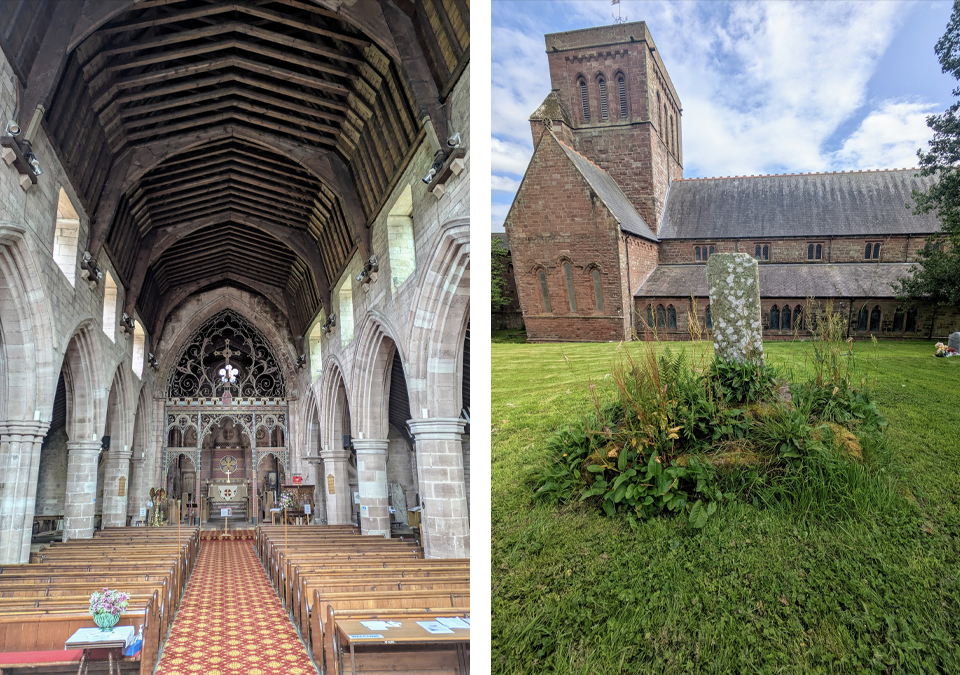
It suffered from a number of raids, the first known raid came is undated, it is estimated that it happened during the reign of King Stephen during the Anarchy, 1174 when William (the Lion) of Scotland was leading raids into the north of England or 1216, during the end of King John’s reign. These are suggested as it was during times of instability in England.
A known year for a raid on the priory was 1315, after the English under Edward II were defeated by the Scottish under Robert the Bruce at the Battle of Bannockburn, Scottish raids into England increased. St. Bees suffered when James Douglas raided the priory and destroyed two of it’s mansions. Despite the raid in the early 14th century, the priory saw it’s most prosperous and active period during the 14th and 15th century.
By the start of the 16th century it’s most prosperous days were over, some of the priory had started to become ruined and not rebuilt. Of course the 16th century also saw the priory’s downfall during the Dissolution of the Monasteries under Henry VIII with St. Bee’s Priory being dissolved in 1539.
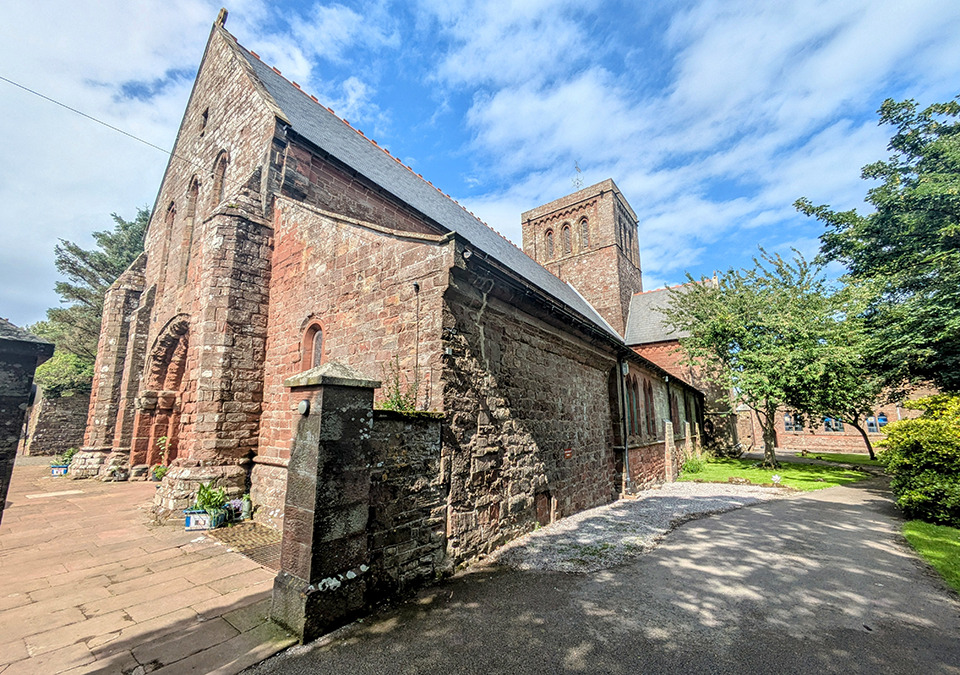
Much of the priory’s buildings were plundered, fell into ruin or destroyed. The main body of the priory, the have and tower survived and used as the parish church, some of the cloister range survived, housing the parish priest. This was destroyed in 1816 when a new vicarage was founded along with the theological college. The chapter house and east range of buildings were also demolished.
In the 17th and 18th century, small repairs had been carried out. The 19th century saw the restoration of St.Bees Priory, the successful theological college which trained over 2,600 clergy, helped the restoration.
The theological college was closed down in 1895 due to falling numbers. This was down to not being able to award degrees and it being a private institution with students heading to the larger colleges which had been created using the same model that St.Bees had used.
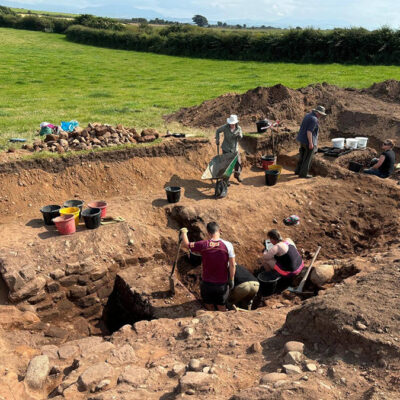
In 1981 during an archaeological excavation a number of Medieval bodies were found including ‘St. Bees Man’. St. Bee’s Priory is still used as a church today and is also open to visitors.
Make sure to follow Jonathan’s Facebook page to discover more about our local history: www.facebook.com/BordersCumbriaHistory

To learn more about what’s happening, follow Cumbria Guide on our social media
Share It: