LONG MEG AND HER DAUGHTERS: A stone circle surrounded by myth and legend
LONG MEG AND HER DAUGHTERS
A stone circle surrounded by myth and legend.
by Jonathan Fraser, Cumbria and the Borders History
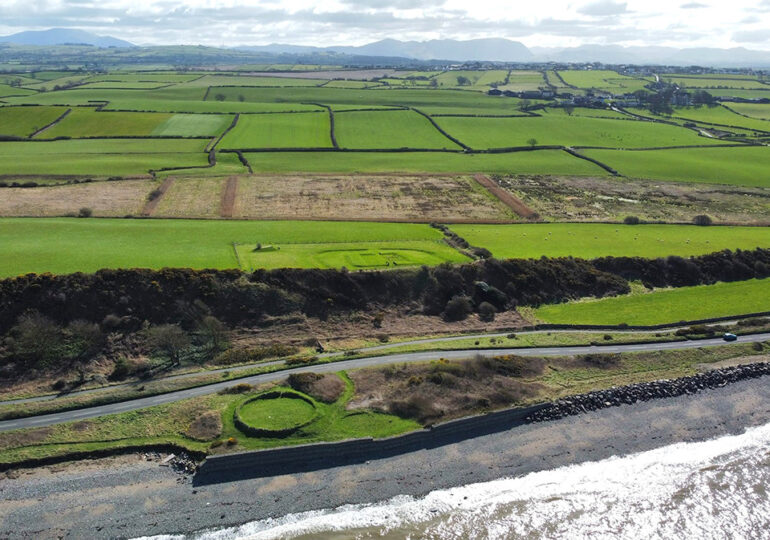
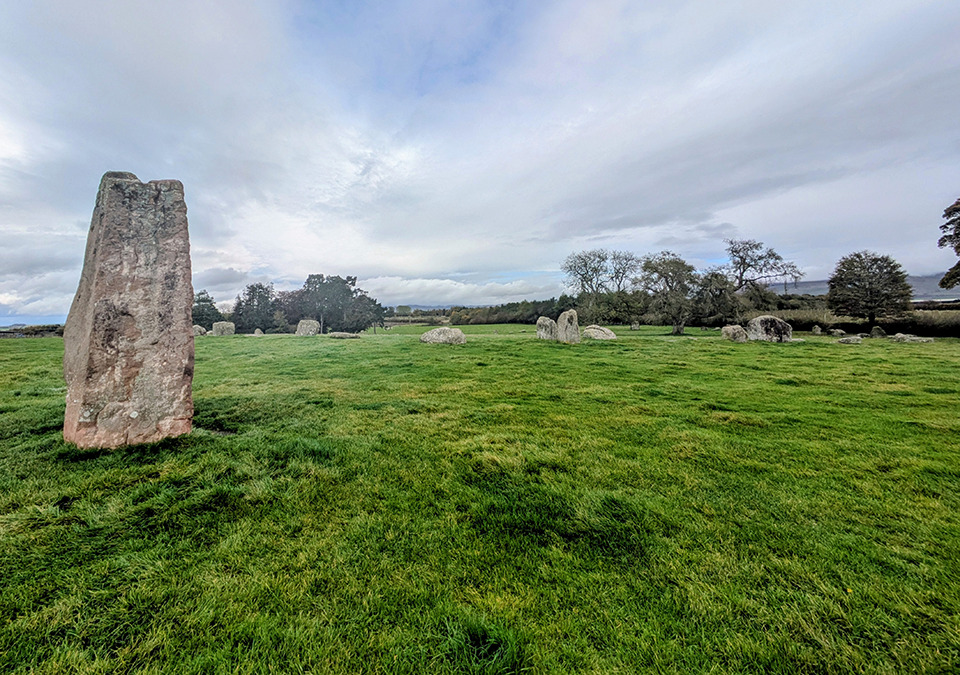
Long Meg and Her Daughters is located near Little Salkeld outside of Penrith. It dates back to the Neolithic Period with its use containing into the Bronze Age. It is the third widest stone circle in England and is one of 1,300 known stone circles in the British Isles and Brittany.
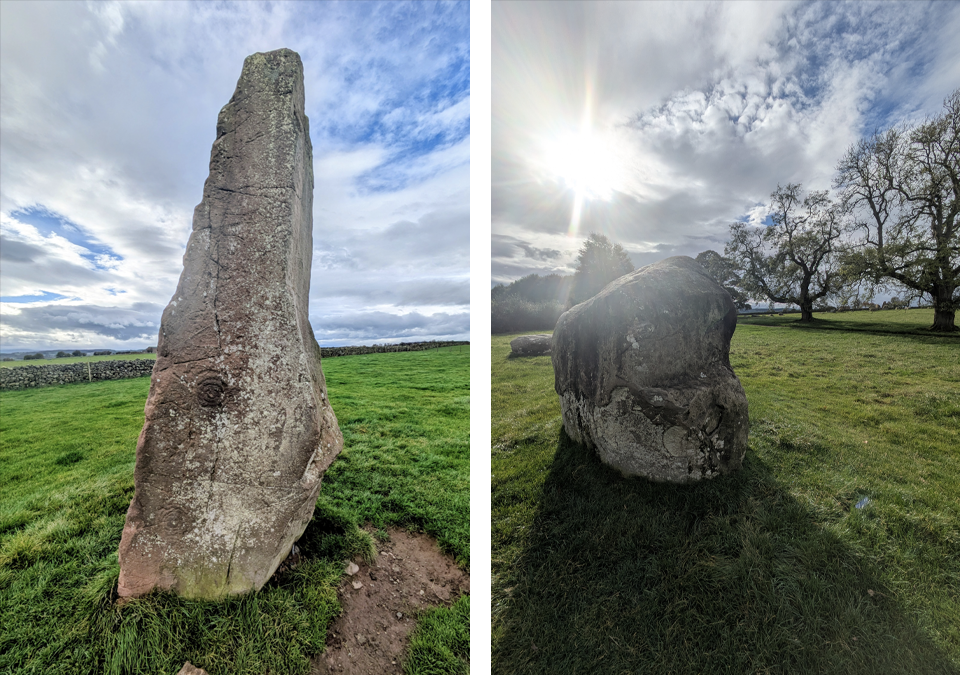
The huge red sandstone monolith which is known as Long Meg stands apart from the other 68 stones (her daughter’s) and is 12 foot/3.7 metres tall. Long Meg contains some impressive megalithic rock art, including a cup and ring mark, it is similar to other stones in Ireland. Although there are 69 stones in total now, there was likely 77 originally as was mentioned by William Camden, a 16th century antiquarian during the reign of Elizabeth I.
The stone circle is surrounded by similar prehistoric monuments such as the nearby Little Meg, Glassonby Stone Circle, Mayburgh Henge, Arthur’s Round Table and a completely destroyed henge. There is also the Divock Moor Avenue including the Cockpit Stone Circle at Askham and the Shap Stone Avenue a bit further south.
“Whether or not you believe in the myth and legend behind it, the impressive stone circle is a must visit.”
Although as is the same with stone circles in general it’s exact use is unknown. It is suggested as is the case with many others that it was a meeting place at certain times of year. If this is the case people would trade here, use it as a social area and possibly a place where rituals were carried out.
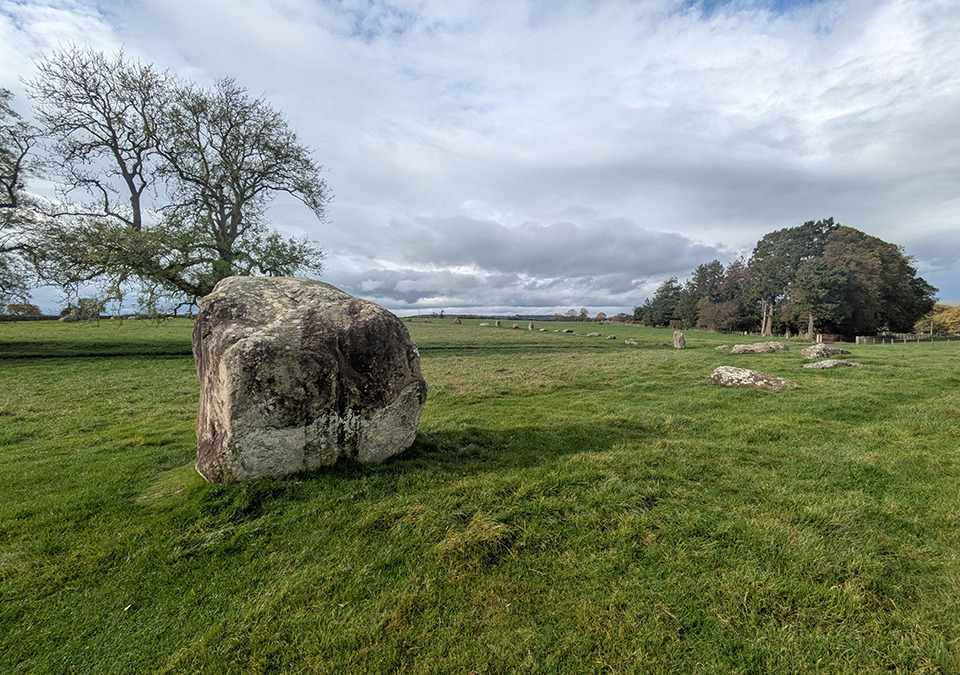
Now onto the myth and legend, the most popular legend is that the stone circle was once a coven of witches. Michael Scott (1175-1232) a Scottish man who was accused of being a wizard and had connections to the wicked de Soules of Hermitage Castle turned the witches into stone. If anyone counts the stones twice and the total adds up to the same each time then the spell will be broken or it could bring them bad luck.
Another legend is that if you walk around the stones and count them correctly then put your ear to Long Meg she’ll whisper. The name Long Meg possibly came from a woman named Meg Selby (later Fenwick) of Meldon in Northumberland who was some accused of being a witch. Meg, also known as the Maid of Meldon was born in 1570, she was the mother of Sir William Fenwick. Meg gained a reputation for being a greedy miser who hoarded treasure and wouldn’t help her neighbours.
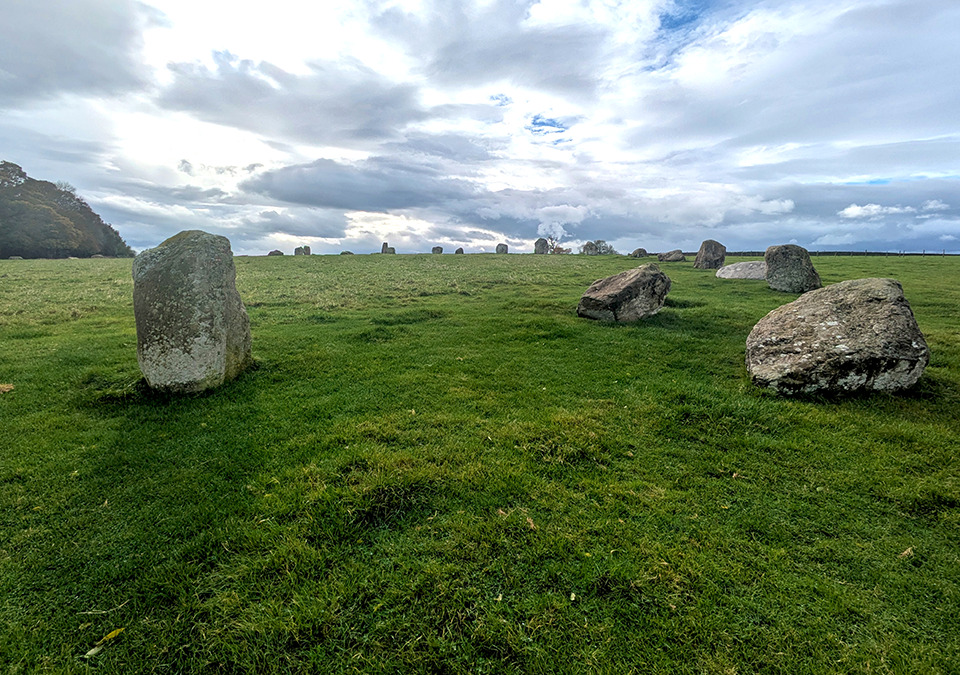
Whether or not you believe in the myth and legend behind it, the impressive stone circle is a must visit. Some say that Long Meg looks like a witch, others say it looks like Admiral Ackbar from Star Wars… what do you think?
Enjoying reading our History series? Make sure to follow Jonathan’s facebook page for more!
www.facebook.com/BordersCumbriaHistory
To learn more about what’s happening, follow Cumbria Guide on our social media
Share It: