Home Grown Cumbrian Grub: Herdwick Lamb
Visiting the Cumbrian fells means serene landscapes, rolling hills and of course flocks of Herdwick sheep. In our next series, we will be taking a look at what makes our traditionally reared lamb so distinctively good and find out how these woolly mammals became synonymous with the Lakes.
Go out for a bite to eat in any of the Cumbrian pubs, and you would be alarmed not to find three staple delicacies that the Lake District is proud to produce –sticky toffee pudding, award winning real-ale and not forgetting a glorious roast leg of Herdwick lamb.
Head chef at the Waterfront, Simon Haslam, knows a thing or two about cooking delectable Herdwick lamb. He told us what it is that makes Herdwicks such a Cumbrian classic.
He said: “It has got to be the Lake District’s fresh air, all the free pasture that they get to graze on. Combined with that, we are so hilly, and therefore they are exercising more than usual so their muscles work a little bit harder. It can make the meat slightly tougher, but it increases the flavour. It also means that they get less fat on them; most lamb is usually quite fatty with not much meat on them, whereas Herdwick is a leaner alternative.”
Deriving from the Old Norse, Herdwyck, meaning sheep pasture, the key to the maintenance of the Lake District fells is the Herdwicks ability to graze over a wide area. For generations, they have been managed in the same traditional way. With fells running to over 3,000ft, Herdwicks have miles of land to explore and have grazed the central and western fells and valleys for centuries.
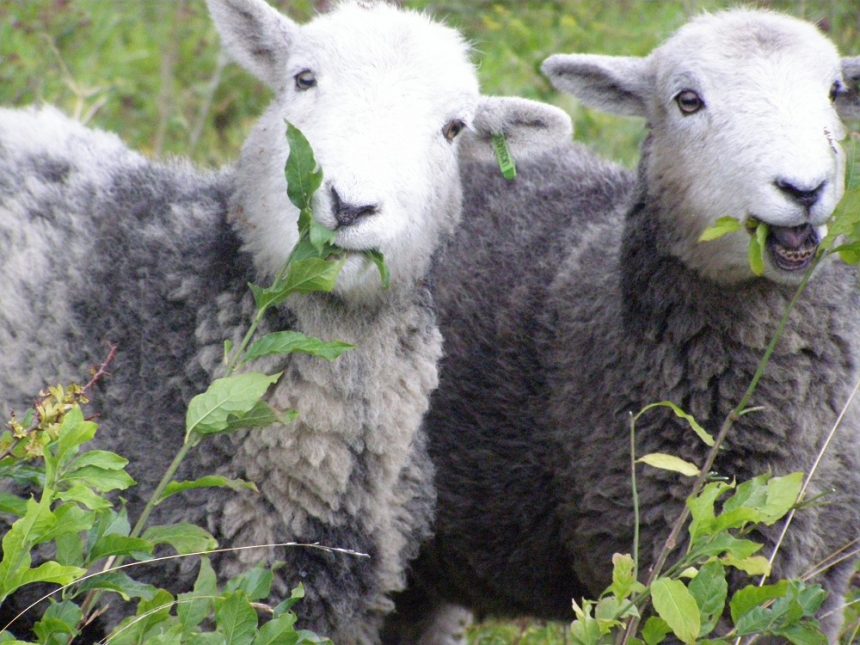
This native breed is not difficult to spot – white heads, grey fleeces, stocky bodies and sturdy legs are the attributes that make Herdwick sheep so unique. Once this tender meat has been tasted, it is never forgotten. With its intense gamey and succulent flavour, it’s easy to work out why we are known for it; its flavour is one that sums up the Cumbrian landscapes perfectly.
Simon added: “When it’s in season we do cook quite a bit of Herdwick lamb. Obviously with it being a bit colder they seem to start lambing earlier than the more intensively reared breeds so it tends to come into the market a little bit earlier. Right now we are bang in the middle of Herdwick season but we use Herdwicks all year round and it’s definitely started to become more popular particularly with people visiting the area; they are definitely starting to recognise it more.”
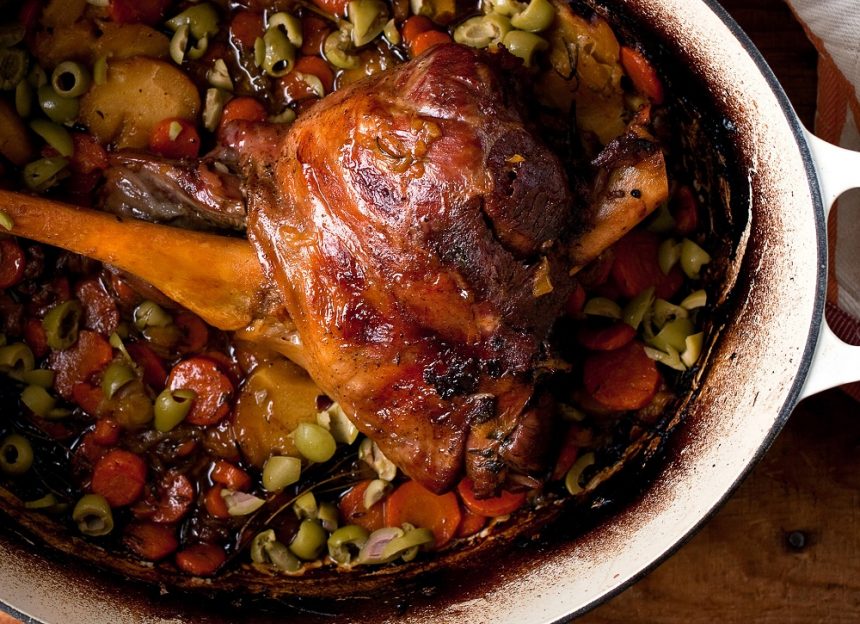
Lakeland Herdwick is renowned for its taste and eating quality and there are a thousand and one dishes that can be lovingly created using this melt-in-the-mouth meat. Lamb Henry, lamb cobbler and of course Lamb hotpot, you name it, this meat will transport you back to the Lakeland fells from the very first taste.
Herdwick lambs are usually over a year old before they are mature enough for meat and this growing time makes them relatively expensive to produce, but is partly what makes its taste so different from any other. Because the lambs mature slowly eating the heather and grass on the fells, the meat is tight in texture, tender and has a lot more flavour than other lamb.
It’s not just our local chefs who feel strongly about our native breed. One of our most famous children’s authors, Beatrix Potter spent many years’ sheep farming after settling down at Hill Top Farm near Sawrey. Buying more than 4,000 acres of farmland, she played a significant role in helping to protect and preserve the Herdwick sheep that roam the fells all year round.