
DR CYRIL HAZARD – Cleator Moor man was great pioneer of radio astronomy
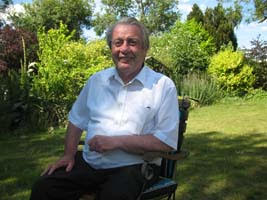
IN the wake of post WW 2 radar research a young Cleator Moor man became one of Britain’s leading astronomers and even had a minor planet named after him.
He was Dr Cyril Hazard, of the Institute of Astronomy, Cambridge University who died recently, aged 97, at his home in Melbourn, in south-west Cambridgeshire, having passed away peacefully in his armchair, on June 14,.
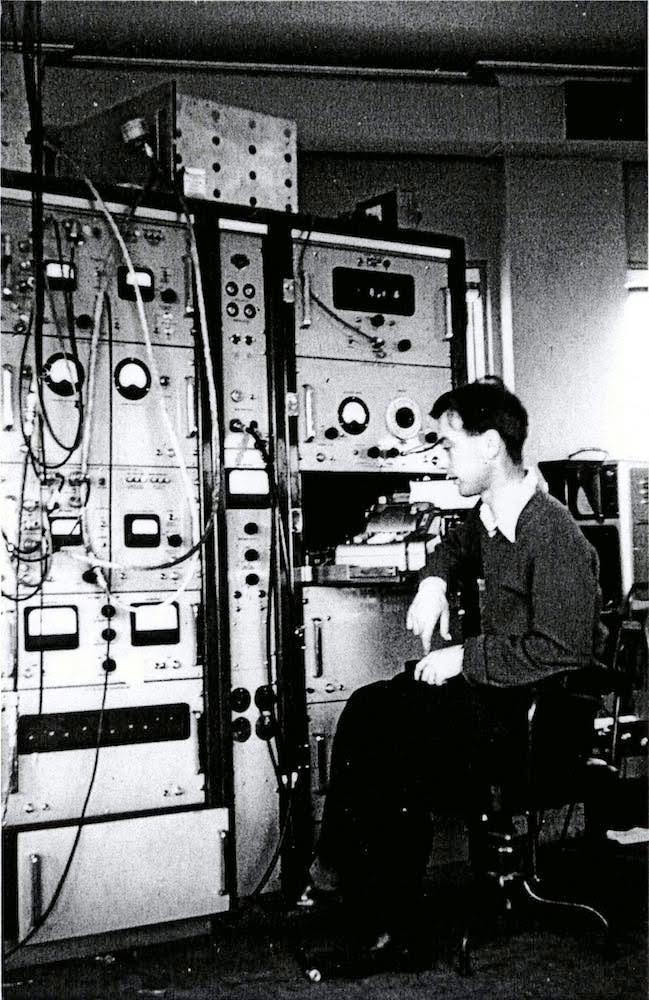
Dr Hazard was one of the most distinguished pupils Whitehaven Grammar School ever produced and an undergraduate and postgraduate of the University of Manchester. He worked first at Jodrell Bank, in Cheshire, with Sir Bernard Lovell and Robert Hanbury Brown, to help establish the world-famous radio telescope.
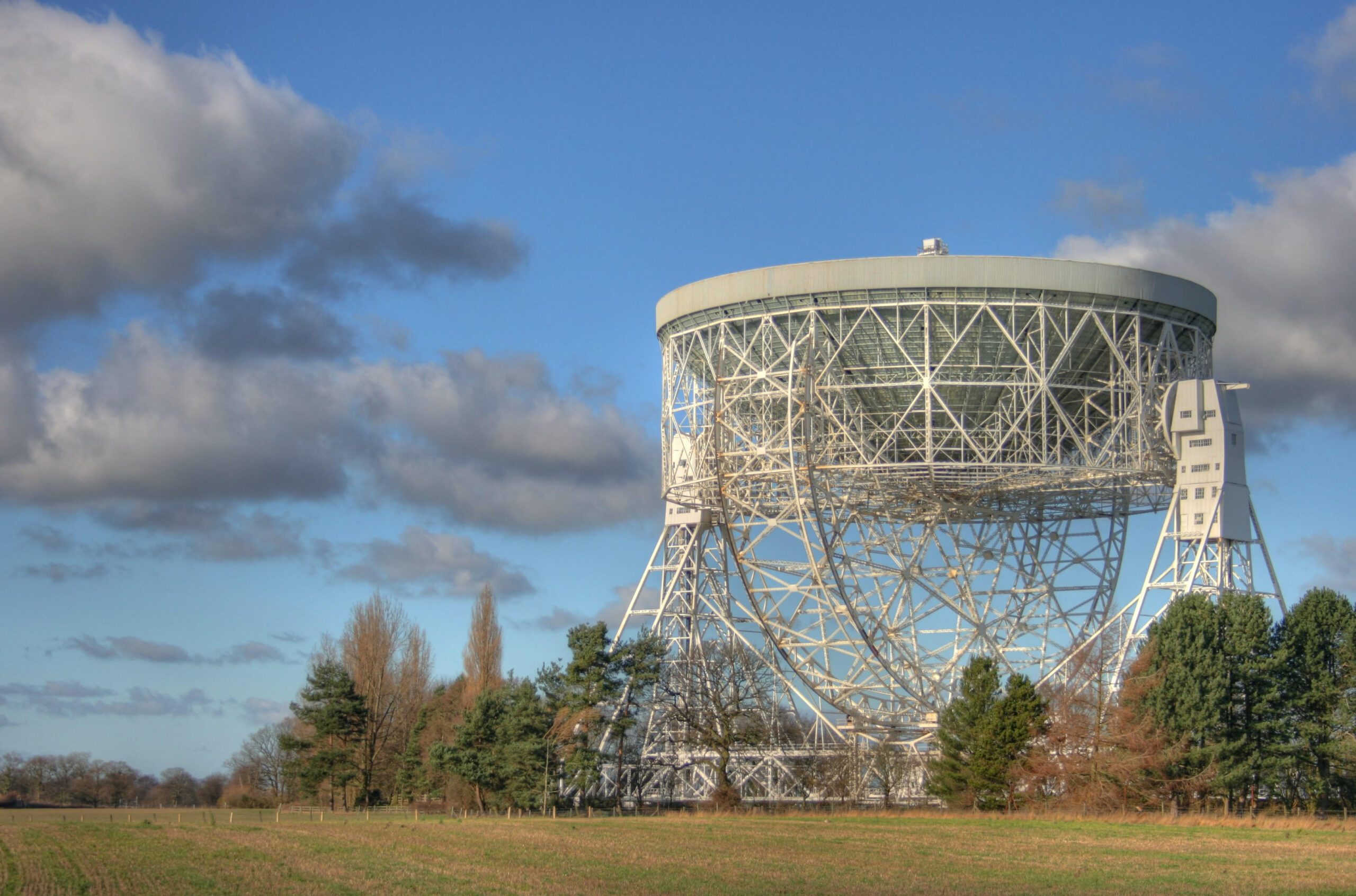
In 1950 he detected radio emissions from the Andromeda Galaxy using the Jodrell Bank 218-ft transit telescope — an important early milestone in radio astronomy.
Baron Martin Rees of Ludlow the 15th fifteenth Astronomer Royal; former Master of Trinity College, Cambridge and a former President of the Royal Society, told The Guide: “Cyril Hazard was one of the great pioneers of radio astronomy. He worked on three continents during his career and in later years settled in Cambridge.
“He is most celebrated for his key role in discovering quasars — mysterious cosmic objects up to 100 times as bright as entire galaxies, now believed to be powered by immensely massive black holes.
“By very clever techniques, using a radio telescope in Australia, he pinned down the position of a peculiar source of cosmic radio noise. When an optical telescope in California was aimed at that bit of sky by Dutch astronomer Maarten Schmidt, the first quasar was revealed.”
Later he worked at Pittsburgh University, Pennsylvania, before returning to the UK, finally settling at Cambridge University.
The minor planet 9305 Hazard, discovered on October 7 1986 by Edward “Ted” Bowell, was named after him.
He was born at Flosh Cottages, Cleator, in 1928 and later lived at Keir Hardie Avenue. He was particularly proud of his home area and for many years he returned regularly whenever he could. He was a keen angler and was frequently to be found knee-deep in the River Ehen, or casting in to Ennerdale Water, or Meadley Reservoir. He was a founder member of Wath Brow and Ennerdale Anglers’ Association.
Dr Hazard was pre-deceased by his wife Jean with whom he had three children, daughters Fiona and Anne and son Patrick.
- In 2019 Jodrell Bank was recognised as a UNESCO World Heritage site for its pioneering role in helping to understand the Universe and our place within it. The telescope is a Grade 1 listed building. It remains the third largest telescope of its kind in the world and is still in use as a working scientific instrument.
In 1950 he detected radio emissions from the Andromeda Galaxy using the Jodrell Bank 218-ft transit telescope — an important early milestone in radio astronomy.
Former colleague Martin Rees said: “Cyril Hazard was one of the great pioneers of radio astronomy. He worked on three continents during his career and in later years settled in Cambridge.
“He is most celebrated for his key role in discovering quasars — mysterious cosmic objects up to 100 times as bright as entire galaxies, now believed to be powered by immensely massive black holes.
“By very clever techniques, using a radio telescope in Australia, he pinned down the position of a peculiar source of cosmic radio noise. When an optical telescope in California was aimed at that bit of sky by Dutch astronomer Maarten Schmidt, the first quasar was revealed.”
Later he worked at Pittsburgh University, Pennsylvania, before returning to the UK, finally settling at Cambridge University.
Dr Hazard was a hugely important figure in British institutional and scientific history. The minor planet 9305 Hazard, discovered on October 7 1986 by Edward “Ted” Bowell, was named after him.
He was a particularly keen angler and was frequently to be found knee-deep in the River Ehen, or casting in to Ennerdale Water, or Meadley Reservoir. He was a founder member of Wath Brow and Ennerdale Anglers’ Association.
Dr Hazard was pre-deceased by his wife Jean with whom he had three children, daughters Fiona and Anne and son Patrick.
- In 2019 Jodrell Bank was recognised as a UNESCO World Heritage site for its pioneering role in helping to understand the Universe and our place within it. The telescope is a Grade 1 listed building, remains the third largest telescope of its kind in the world and is still in use as a working scientific instrument.
Share It:




Cyril was a great friend of mine and we spent many hours together fishing on the River Ehen at Wath Brow. Some of my happiest days as a child.
I understand his funeral is on July 2nd in Royston. Can someone provide an address?