BAT-TASTIC! Meet Cumbria’s night flyers
BAT-TASTIC!
Meet Cumbria’s night flyers.
by Danni Murphy
As summer fades into autumn and the evenings grow darker, Cumbria’s bats are still busy hunting before they settle down for winter.
September is one of the best times of year to spot these fascinating flying mammals, making early autumn the perfect season to become a bat detective.
When can you see bats?
Bats are active from spring until October, with September being a brilliant month for spotting them.
They usually emerge around 20–30 minutes after sunset, flying through gardens, parks, woodland, rivers and lakes in search of insects.
As temperatures drop during October, bats begin preparing for hibernation.
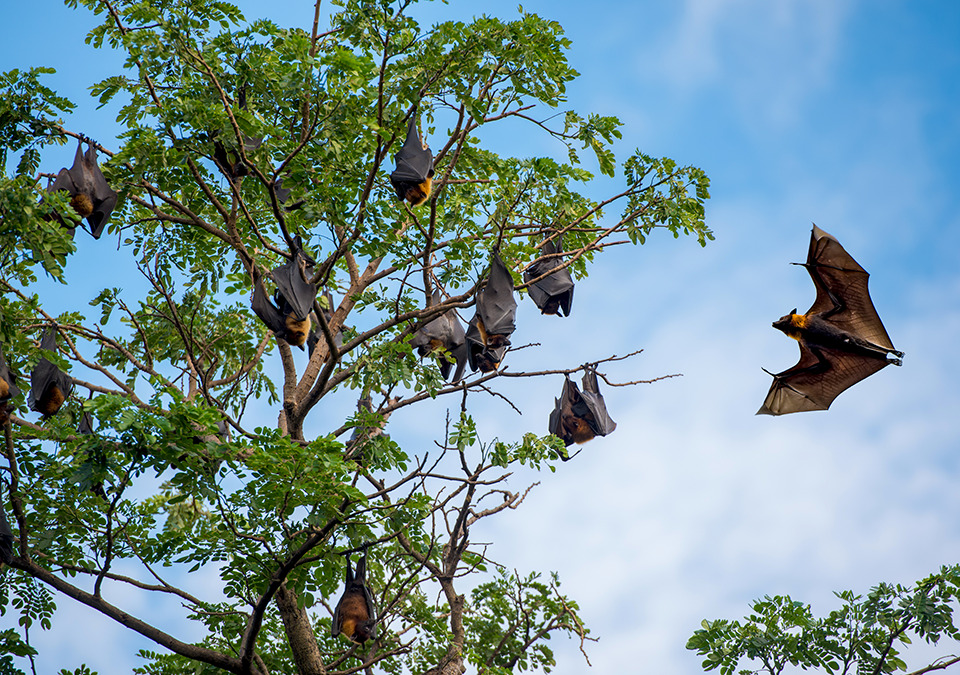
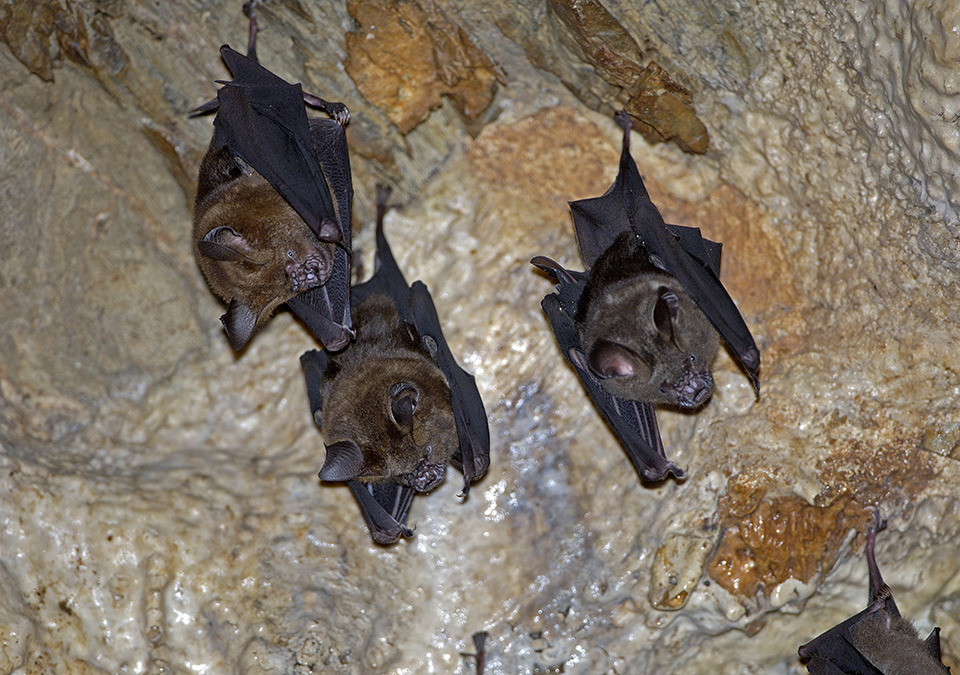
They build up their fat reserves before finding safe places to spend the winter, such as caves, old buildings, bridges and hollow trees.
Which bats live in Cumbria?
There are around 18 species of bat in the UK, and several can be found across Cumbria;
- Common Pipistrelle
The UK’s smallest and most common bat. It is only around the size of a thumb and weighs less than a £1 coin, but it can travel impressive distances while hunting.
- Brown Long-eared Bat
Recognisable by its enormous ears, which are almost as long as its body. These help it detect tiny sounds, including insects moving among leaves.
- Daubenton’s Bat
Often known as the ‘water bat’, this clever hunter flies low over lakes and rivers, using its feet to scoop insects from the water’s surface.
Built for the Night
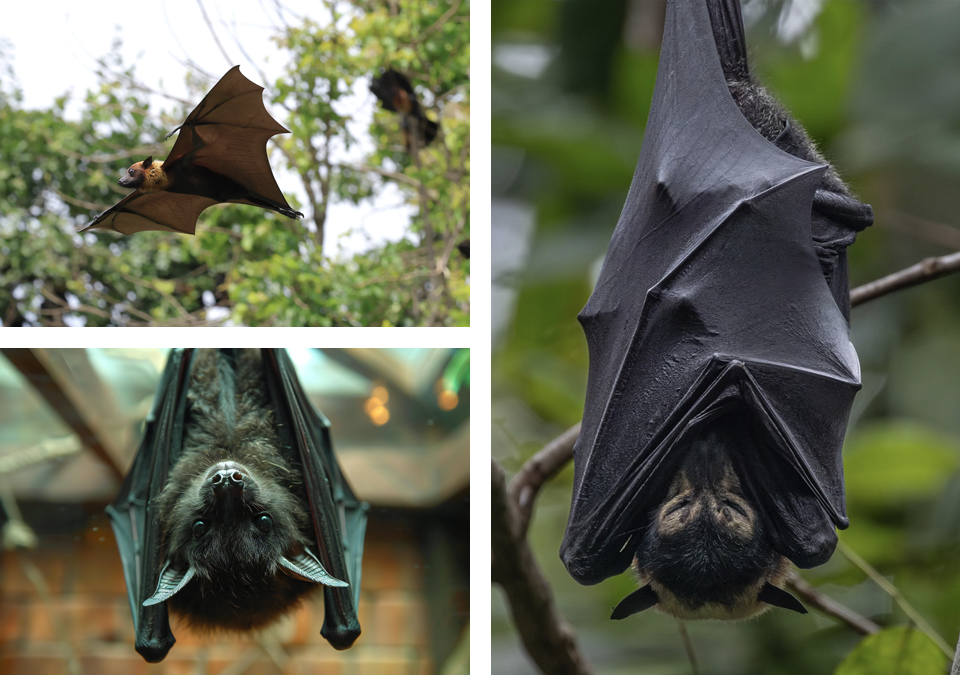
Bats are the only mammals capable of true flight. Unlike birds, their wings are not made from feathers but from a thin layer of skin stretched over their long fingers.
Because they hunt in darkness, bats use an incredible ability called echolocation. They make high-pitched sounds that bounce off objects around them.
By listening to the returning echoes, they can work out where they are, avoid obstacles and catch tiny insects, even when there is almost no light.
What do bats eat?
Most of Cumbria’s bats feed on insects such as moths, flies, mosquitoes and beetles. A single pipistrelle can eat thousands of insects in one night, making bats an important part of our natural environment.
Amazing Bat Facts
- Baby bats are called pups.
- Bats sleep upside down because it helps them take off quickly when they need to fly.
- Some British bats can live for more than 30 years.
- All bat species in the UK are protected by law.
- Despite old myths, British bats do not get tangled in people’s hair. They are highly skilled fliers and avoid obstacles with incredible accuracy.
Autumn Bat Spotter Challenge
On a mild September evening, head outside with an adult around half an hour after sunset and see what you can discover.
- Can you spot a bat flying overhead?
- Can you see how it twists and turns as it catches insects?
- How many bats can you count in five minutes?

Remember to watch quietly and never disturb bats or their roosts. These incredible night-time creatures are a special part of Cumbria’s wildlife, and autumn is one of the last chances to see them before they settle down for their winter sleep.
If you love our magazines, we can now deliver them directly to your door, ensuring you never miss an issue! Subscribe & Save for a guaranteed 12 months of delivery direct to your door!
Share It: