THE HISTORY OF OUR HERDWICKS
THE HISTORY OF OUR HERDWICKS
We all love them, they are a huge part of Cumbrian heritage and we all recognise their cute
little smiling faces, but do you really know them and their origins here in Cumbria?
by Danni Murphy
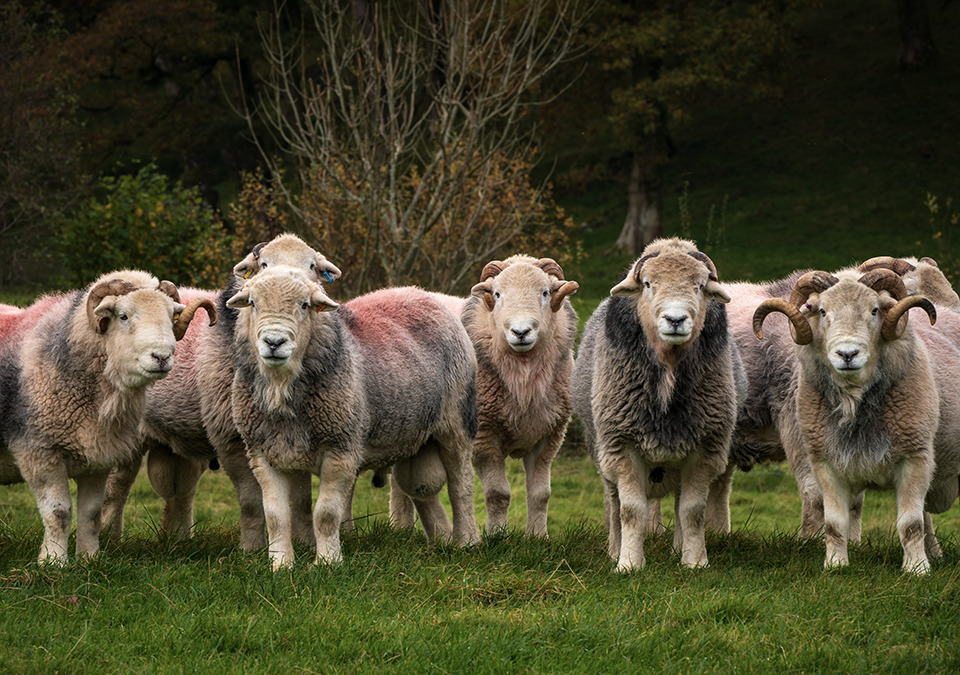
Herdwick sheep are a hardy, distinctive breed with deep historical roots in Cumbria. They are famed for their resilience to the rugged, mountainous terrain and harsh climate up here. The history of Herdwick sheep intertwines with local culture, farming practices, and conservation efforts.
The origins of Herdwick sheep are somewhat mysterious, with evidence suggesting they may have been brought to Cumbria by Norse settlers, possibly the Vikings, over a thousand years ago. The name “Herdwick” itself is derived from the Old Norse word “herdvyck,” meaning “sheep pasture.” The Vikings, who colonized parts of the British Isles in the 10th century, are thought to have introduced the ancestors of today’s Herdwick sheep. These sheep were well-suited to the mountainous landscape of the Lake District and quickly became established in the area.
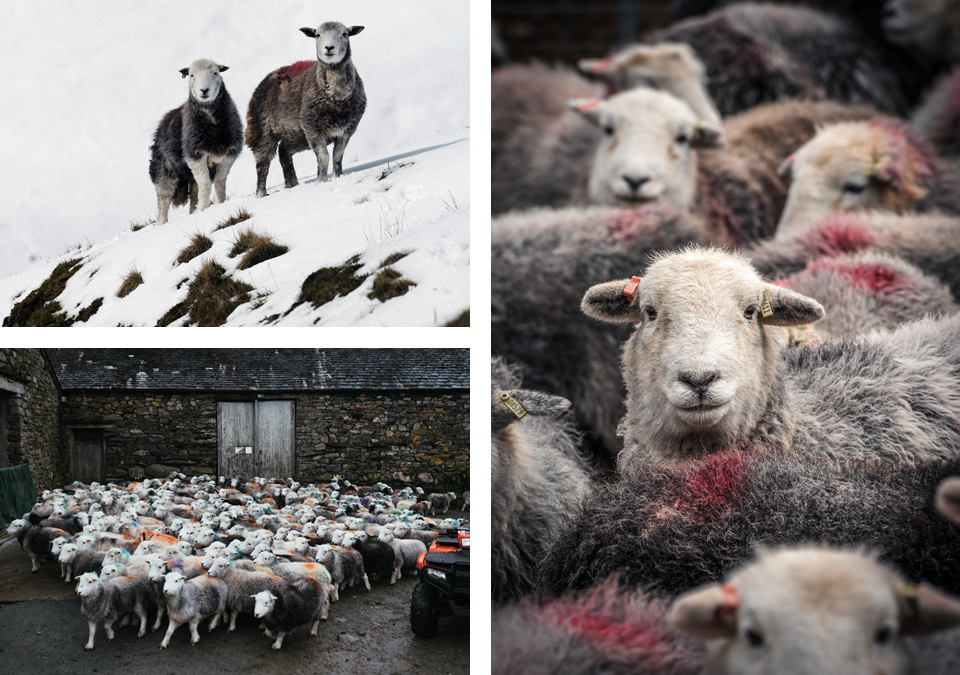
Herdwick sheep evolved to thrive in the challenging environment of Cumbria, adapting to the rocky, steep terrain, scarce grazing, and wet, cold weather. These adaptations are visible in their dense, weather-resistant fleece, hardy constitution, and strong homing instincts. Unlike other breeds, Herdwicks are known to “heft” naturally, meaning that they develop a strong attachment to a particular grazing area, often passing this knowledge down to lambs. This has made them particularly suited to communal grazing practices in Cumbria.
One of the most important figures in the history of Herdwick sheep was the beloved author and conservationist Beatrix Potter. In the early 20th century, she became one of the breed’s most passionate advocates.
Potter moved to the Lake District in the early 1900s and began acquiring farms, where she developed a strong interest in preserving the local landscape and its native breeds. She became an expert Herdwick breeder, even winning prizes at local agricultural shows for her sheep. Upon her death in 1943, Potter left much of her land to the National Trust, with specific instructions that Herdwick sheep should continue to graze on it. Her efforts helped secure the future of the breed and raise awareness about its importance to the local ecology and culture.
Herdwick sheep have faced various challenges over the years, including disease, economic pressures, and changes in agricultural policy.
The Foot-and-Mouth Disease outbreak of 2001 was particularly devastating, leading to the loss of thousands of Herdwick sheep and threatening the breed’s survival. The local community and conservationists rallied to protect and rebuild the population, with organizations like the Herdwick Sheep Breeders’ Association playing a crucial role.
Today, Herdwick sheep are recognized as an iconic part of the Lake District’s heritage. Their wool, once undervalued for its coarse texture, is now sought after for sustainable, durable textiles used in carpets, insulation, and more.
The breed’s role in maintaining the biodiversity and traditional landscapes of the Lake District was acknowledged when the area received UNESCO World Heritage status in 2017.
Herdwicks remain a symbol of Cumbrian farming tradition and cultural identity, representing a millennia-old connection between people, animals, and our landscape.

To learn more about what’s happening, follow Cumbria Guide on our social media
Share It: