Community-led conservation giving hope to one of Britain’s most endangered birds
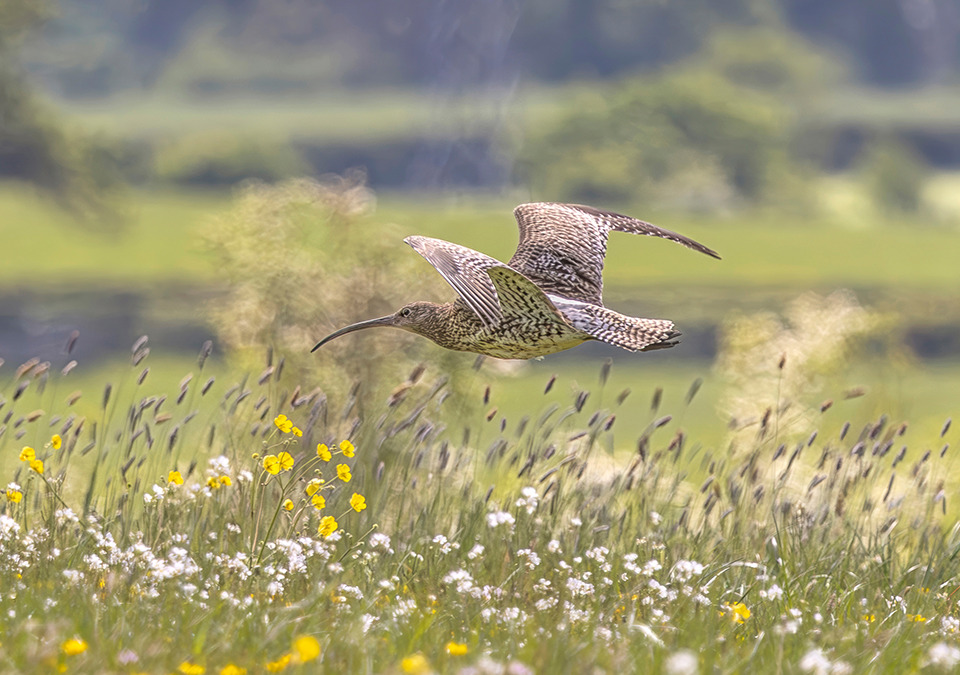
THE MELBREAK CURLEW RECOVERY PROJECT
Community-led conservation giving hope to one of Britain’s most endangered birds.
by Danni Murphy
In the quiet farmland of the Lorton Valley, just south of Cockermouth, a dedicated group of residents and farmers is working to save one of Britain’s most evocative and endangered birds.
The Melbreak Curlew Recovery Project, launched in 2024, was born out of growing concern over the dramatic decline of the Eurasian curlew, a species whose haunting, bubbling call has long been a soundtrack to spring across the countryside.
Funded through Farming in Protected Landscapes via the Lake District National Park Authority, and supported by expert guidance from the South Lakes Curlew Recovery Project, the initiative brings together local knowledge, practical conservation and a shared determination to make a difference.
“Communities, working hand in hand with farmers and landowners, can help reverse the fortunes of a species on the brink.”
At its heart is a simple but powerful belief that communities, working hand in hand with farmers and landowners, can help reverse the fortunes of a species on the brink.
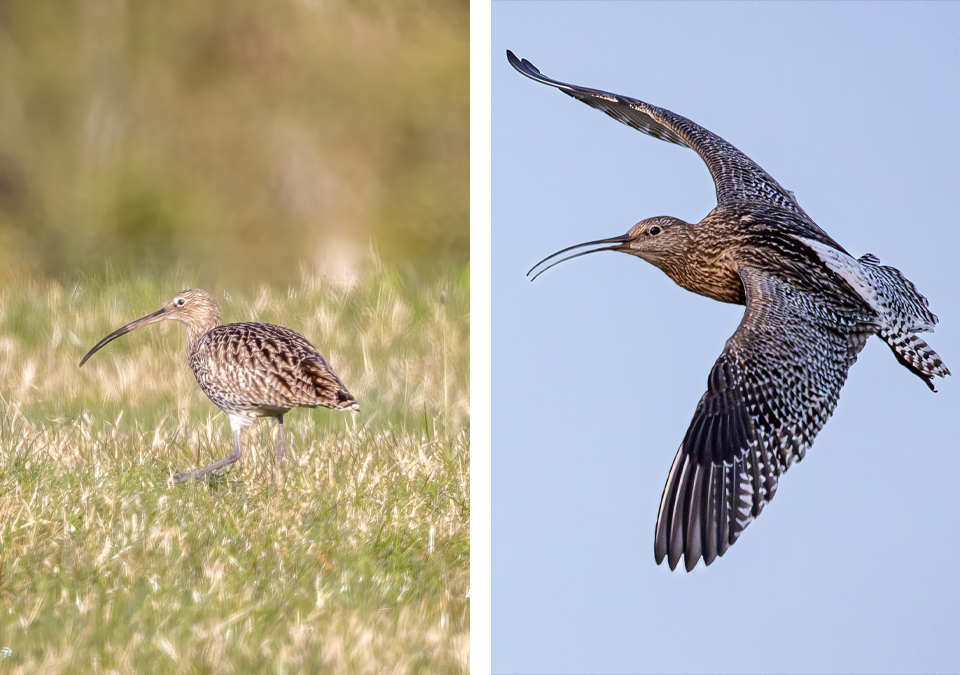
The curlew, Britain’s largest wading bird, is instantly recognisable by its long downturned bill and elegant, long legged silhouette. Each year, these birds return from coastal wintering grounds to breed in upland valleys and farmland. Yet their future is far from secure. Since the 1980s, curlew numbers have plummeted by around sixty per cent, with habitat loss, declining biodiversity and predation all contributing to low breeding success.
Now listed at the highest level of conservation concern, the species faces a very real risk of extinction in the UK.
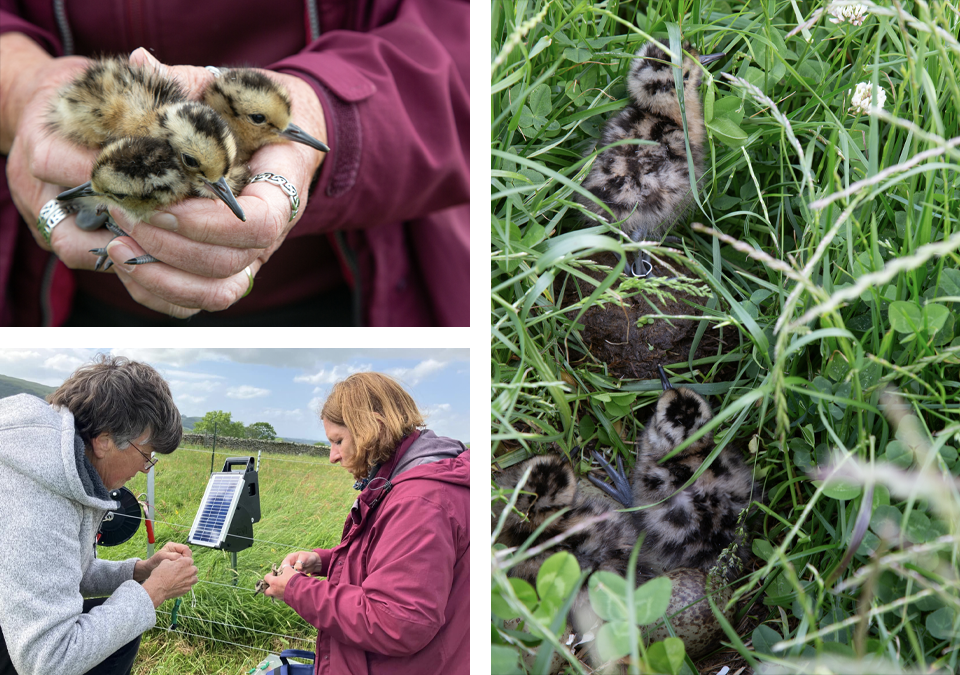
Entirely volunteer-led, the Melbreak project is already making tangible progress. By carefully locating nests, which are notoriously difficult to spot, and protecting them with electric fencing, the group has helped improve survival rates during the crucial breeding season.
In its first two years, several nests have been successfully safeguarded, with chicks ringed and monitored to better understand their development. This year, the introduction of radio tagging will provide even deeper insight into survival rates and movement patterns.
As the project grows, so too does its network of supporters. Increasing numbers of farmers, landowners and volunteers are getting involved, demonstrating the strength of community-led conservation.
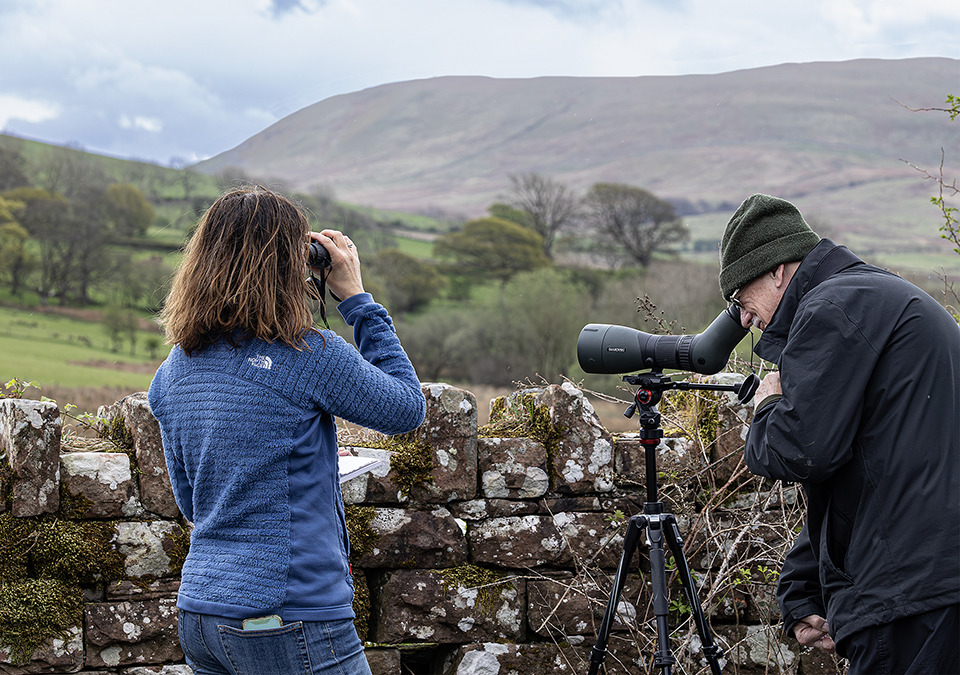
With continued funding and the use of new technology, the initiative is expanding its reach and impact across the valley.
For those involved, the goal is clear. Without action, the curlew’s call could fall silent. With it, there is hope that future generations will still experience one of the most distinctive and cherished sounds of the British landscape.

If you love our magazines, we can now deliver them directly to your door, ensuring you never miss an issue! Subscribe & Save for a guaranteed 12 months of delivery direct to your door!
Share It: