The Secrets Beneath The Soil
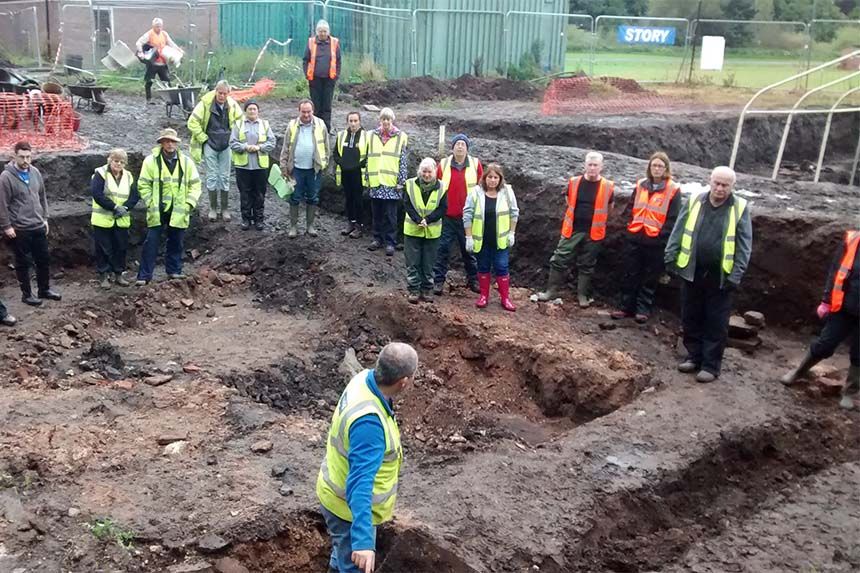
A treasure trove of Roman secrets has been unearthed beneath the surface of Carlisle Cricket Club.
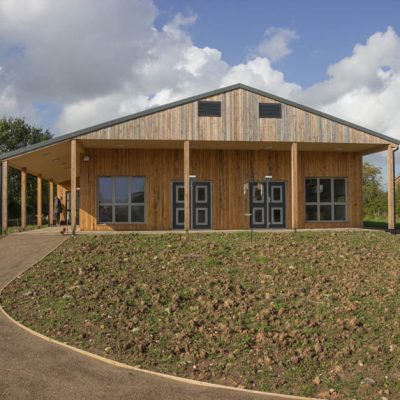
When work began to rebuild Carlisle Cricket Club’s pavilion earlier this year, following damage during Storm Desmond, the last thing anyone expected to uncover, was a wealth of Roman remains that would tell a fascinating story about the city’s rich heritage.
The discovery of a 4th century Roman bath house at the site, below Eden Bridge, came as a surprise to everyone and delighted local archeologists, politicians and the general public alike. But this was just the beginning. Beneath the soil, actually lies a whole complex, of roads and buildings, not to mention the treasure trove of artefacts dating back almost 2,000 years.
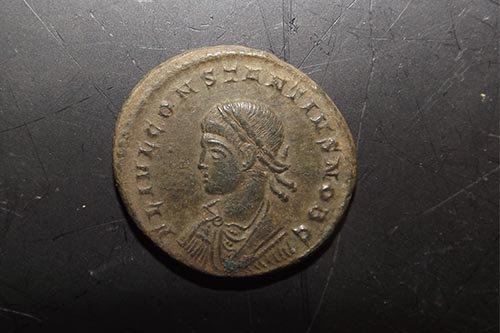
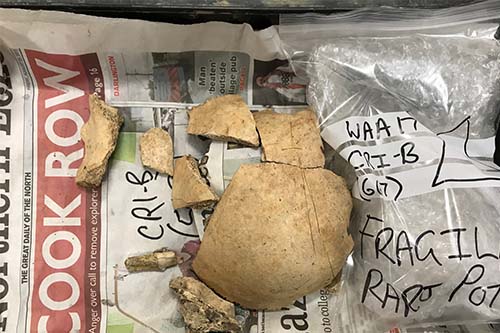
As well as Roman concrete, tiles and vaulting tubes from the roof, some of the smaller finds include pottery, jewellery, hair pins and tableware. Dozens of coins have been dug up, all in extraordinarily good condition, which help experts identify the dates and even the Emperor at the time.
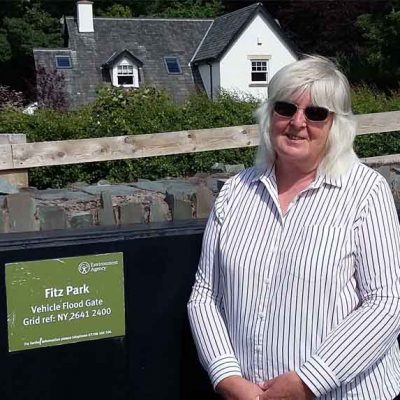
Archaeological contractor, Wardell Armstrong are leading the evaluation of the site. The company’s Technical Director, Frank Giecco who has worked as an archeologist in Carlisle since 1994, described it as one of the best sites he has worked on, he said: “Not only in terms of the structural aspect, but it has been so finds rich and the fact that it is local to me in Carlisle, that’s nice as well. It just reinforces how Carlisle was once a big city.”
He continued: “The site itself it is telling us that there was a lot of money here, it was a wealthy, very high status site.
“The building is a really fine building, with painted walls, underfloor heating and heated walls. We’ve got some really nice glass, not just from the windows but from fine tableware.”
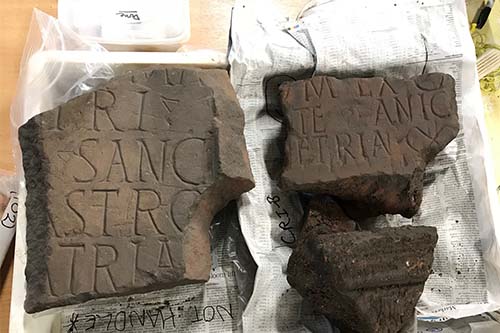
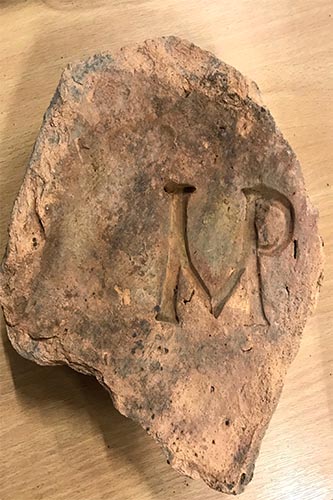
However, the most significant finds have been an Imperial stamp tile and a stone inscription, linking the site to to the Ala Petriana, the crack Roman cavalry unit once based at Stanwix. The 1000 strong cavalry fort was the biggest in the north of England and one of only six of such quality in the entire Roman Empire. The inscription reads as a tribute to Julia Domna, the mother of Roman Emperor Caracalla, who reigned from AD 198 to 217.
Frank explained: “We know a bit about Roman Carlisle, but Stanwix was at some point more important and bigger than Carlisle itself. We knew there was likely to be something special on the Stanwix side and this is where we have proven it. It’s a nice addition that we have got the Imperial connection to it and the Ala Petriana scripture to link it with the fort in Stanwix.”
At the last archeological digs which took place in September, more than 30 volunteers from the community turn up each day to help uncover fresh finds.
Frank, who extended his thanks to everyone who took part, said: “All the volunteers were just fantastic..It was a pleasure to work on.”
The finds, now being restored at the Wardell Armstrong office, will either be displayed in an exhibition at the Cricket Club or with the rest of Carlisle’s Roman remains at Tullie House. What happens next is in the hands of Carlisle City Council and local businessman, Fred Story who helped fund the cost of the dig, donating £30,000 to the project.
But the archeologist in Frank wants to keep digging, he said: “It would be lovely to see some more work done, as an archeologist you love to find more, that’s why you become one.”
Besides, he believes they have only just scratched the surface of what lies beneath the Edenside site. Frank expects a plethora of 1st and 2nd century treasure is just waiting to be discovered, if they were to just dig a little deeper.
He added: “There’s a lot of questions, the more you dig, the more you find. As an archeologist you can never stop, there’s always a question that needs answering.”
Share It: