John Paul Jones’ attack on Whitehaven: A daring raid that shook British defenses in 1778
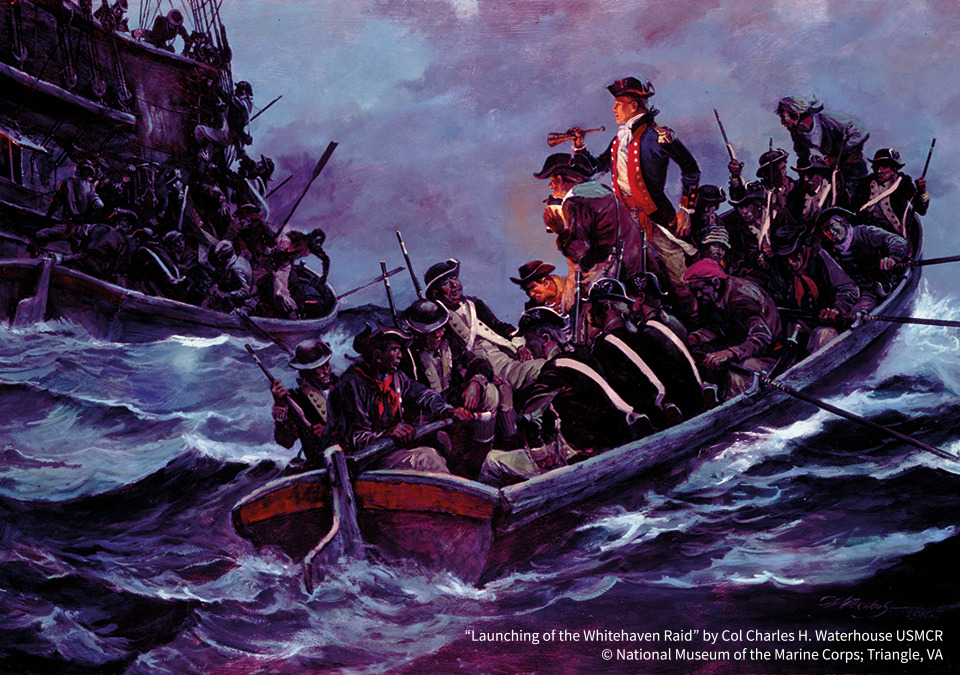
John Paul Jones’ attack on Whitehaven
A daring raid that shook British defenses in 1778.
by Jonathan Fraser, Cumbria and the Borders History
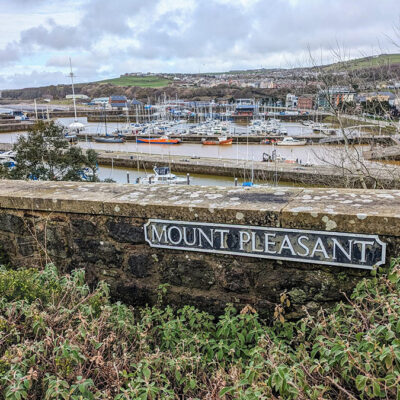
Whitehaven was a small town in 1778 but it was one of the main trading ports in Britain, trading all over the world including the Americas.
John Paul Jones was born in Kirkcudbrightshire in Scotland and he was a former British merchant who had emigrated to the New World. Jones was on the run so he could escape the crimes he had committed on the British Isles. Within a few years he had joined the US Navy.
At first he served well in the navy but due to his personality he soon began to upset and irritate people. He decided to attack the British Isles in April 1778 with a crew of around 30 men.
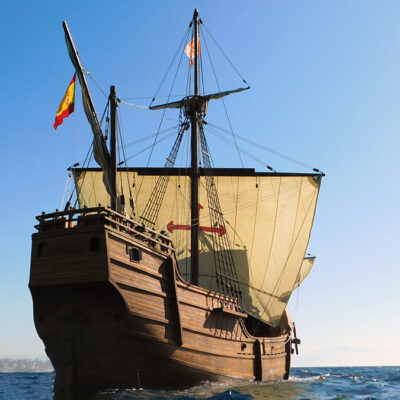
On the evening of 22nd April 1778, Jones and his men sat two miles off the coast of England. Their objective was to destroy the Royal Navy ships docked at Whitehaven. They were armed with cutlasses and pistols, the men left the ship and set out on small boats towards the shore.
The journey took three hours of rowing against the tide. The sea hindered the raiding party once more and they were forced around the gun battery they planned to strike and had to land further up the coast.
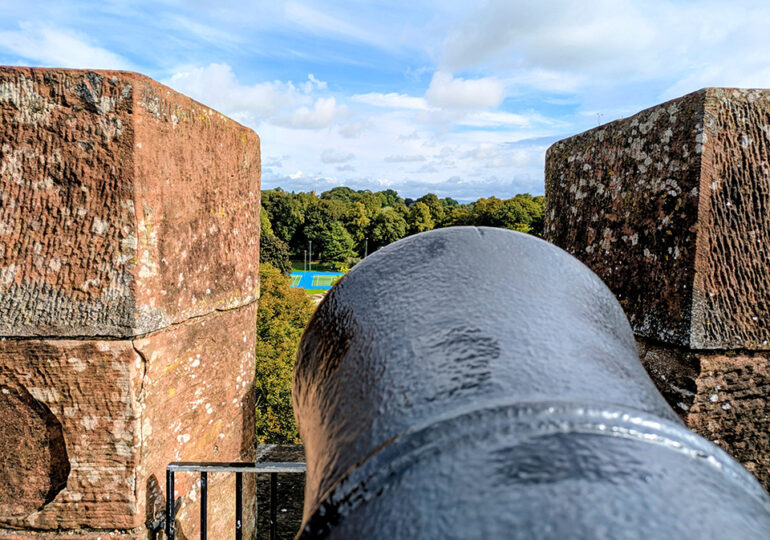
The men silently scaled the walls, the attack caught the defenders off guard. Jones then hoisted himself up the battlements and signalled the remaining crew to follow him. He then knocked out the canon defences.
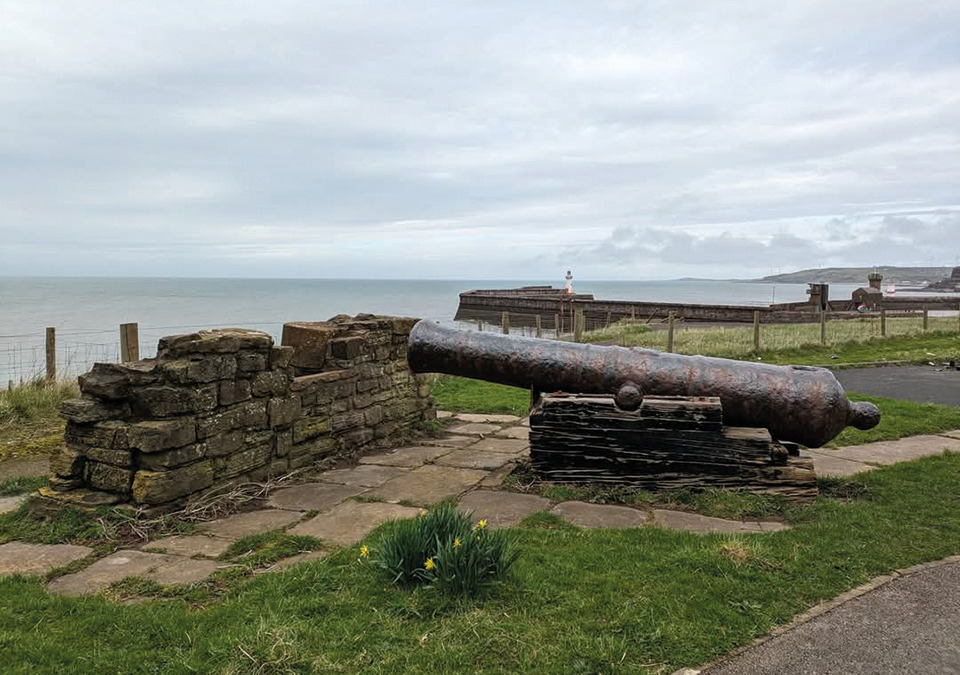
The other group of raiders were on their way to the dock to set the ships alight. The British account of the attack goes on to say at this point: On their way to the port, the men became distracted by the strong allure of the nearby public house. It was here that this half of the crew became intoxicated and were unable to complete their mission. The Americans on the other hand claim that the bad weather stopped them completing their mission. Jones did however manage to set alight the main target, the coal ship ‘The Thompson’. The wooden vessels were covered in tar and set on fire.
David Freeman, an Irishman who was a part of Jones’ crew was unhappy with his captain’s leadership, managed to slip away from the rest of the crew and warned the townspeople of what was about to happen. Due to Freemans warning the towns fire engines rushed to the scene and extinguished the flames before any lasting damage was done.
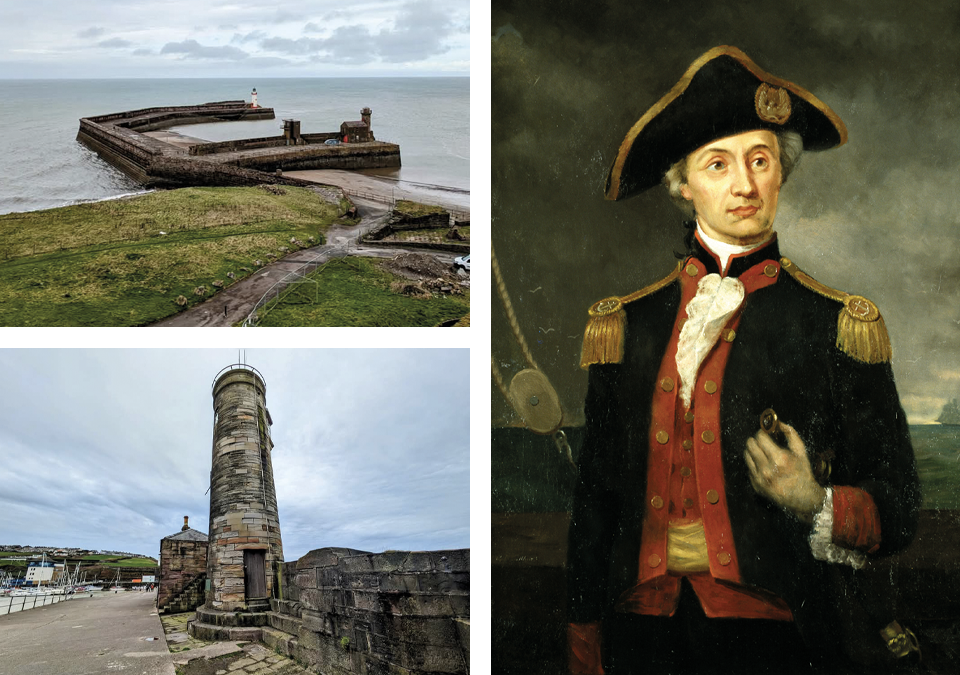
Jones and his crew fled, managing to take three prisoners with them. They managed to sail away to Selkirk where he planned to kidnap Lord Selkirk. Unfortunately for Jones, Selkirk was neither that important of a man, nor at home. Jones was greeted by the pregnant Lady Selkirk who handed over the estates silver and tea set.
For the remainder of the war he led skirmishes on the British. The British on the other hand were ‘shook up’ at the audacity of the assault, they tightened up coastal defences as the war rumbled on.
www.facebook.com/BordersCumbriaHistory

To learn more about what’s happening, follow Cumbria Guide on our social media
Share It: