Secrets of the Hidden People: Why Cumbrian’s are different from the English!
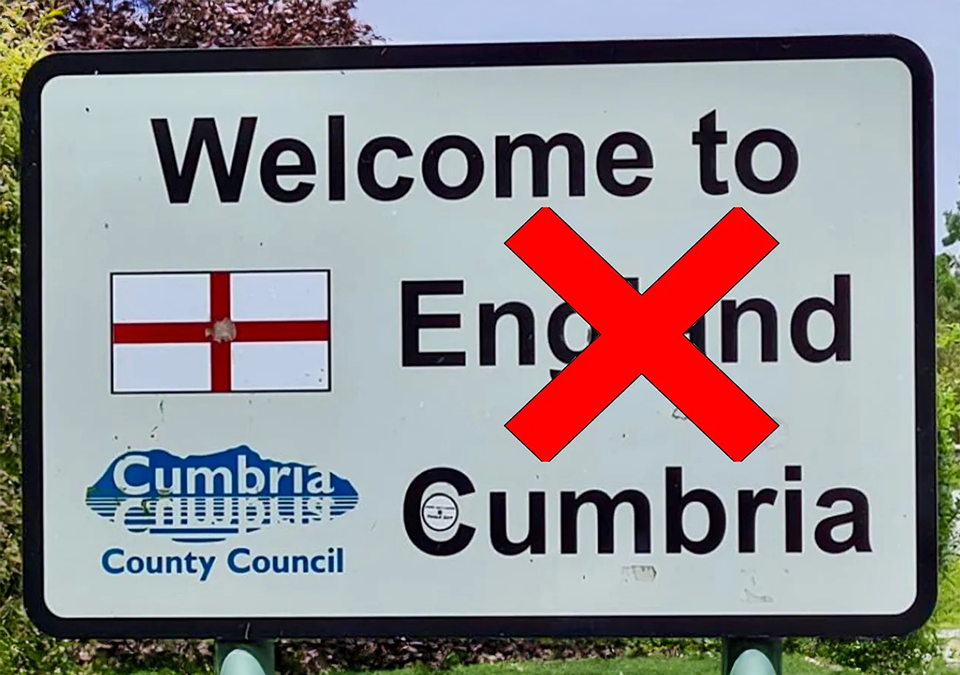
WHY CUMBRIANS ARE DIFFERENT FROM THE ENGLISH
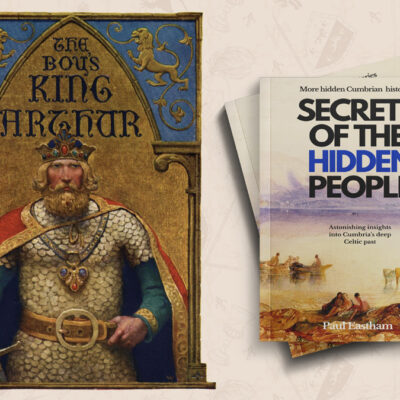
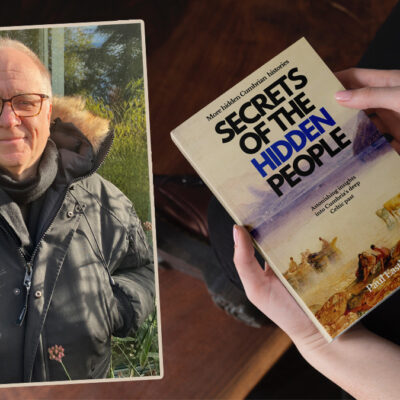
The first installment of our exploration into Paul Eastham’s latest book ‘Secrets of the Hidden People’.
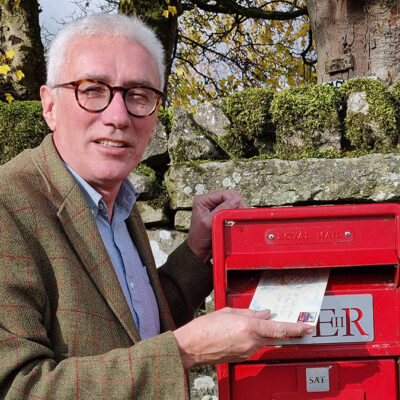
by Paul Eastham
It might seem outrageous to claim the Cumbrians are different from people living in the rest of England.
But there are good reasons for saying so…
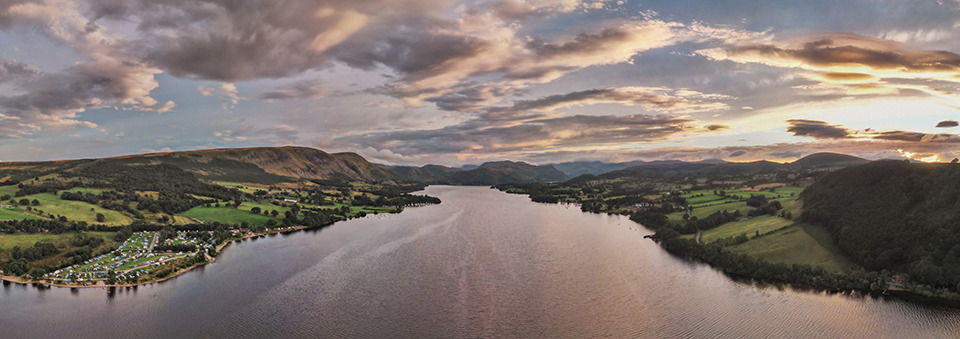
Cumbria is a peculiar place. It’s like a peninsula with a mountainous core isolated from the rest of the north by the Pennine barrier. For most of its history, it has been more connected to other Celts by the Atlantic sea than Britain by land.
The Lake District’s high peaks, deep valleys and dense forests have made it hard to conquer. Defenders always had the advantage. The natives are famous for not cooperating with invaders.
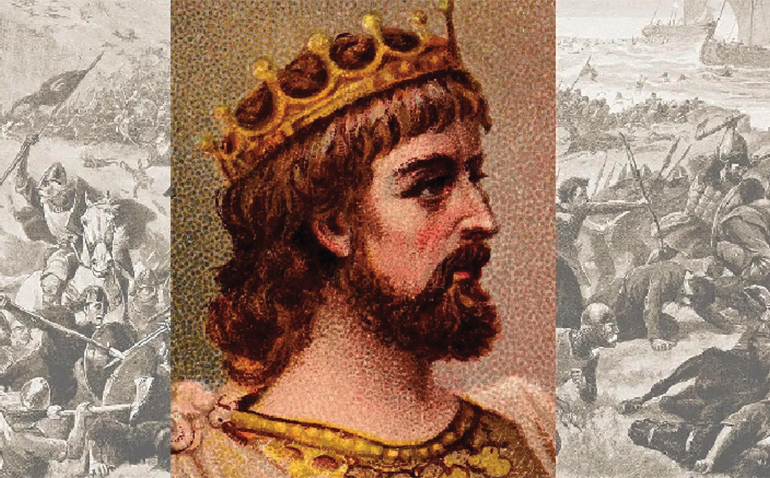
This is why, when the Romans left, Cumbria retained its independent monarchy and Celtic identity for 500 years, only forced into England by the Normans in 1157.
Many Cumbrian churches are called St Bride and St Brigid. Since Cumbria was once part of the Celtic kingdom of Brigantes it highly plausible that at least some of these churches stand where the cult of the Celtic goddess Brigantia was once important.
Cumbria has 70 holy wells and it is likely many originated as pre-Christian Celtic cult sites. Cumbria’s relative isolation has influenced the way the locals see themselves.
A 2024 population survey by the Office for National Statistics asked Carlisle people to choose which nationality they identified with: English, Scottish, Welsh, Irish or “other”. Only 47 per cent chose “English.”
A debate published on the Quora question-and-answer internet platform in 2022 asked “Do Cumbrians consider themselves as Celts or English?” One respondent who called himself Barry Norman wrote:
“Cumbrians consider themselves Cumbrian. That will always be the first answer you get off them. Cumbrian first, English second.”
Genetics can help uncover the Cumbrians’ origins. The 2015 People of the British Isles study by Oxford University and the Wellcome Trust tested the DNA of fifty-three rural Cumbrians whose four grandparents were born within 50 miles of each other.
Cumbrians showed up as a distinctly different regional genetic cluster still living overwhelmingly within the historical boundaries of the ancient Celtic kingdom of Rheged which existed in the 5th and 6th centuries AD. This showed Cumbrians have mixed their genes very little with outsiders and moved far less than most other Britons.
So, how did these people acquire their identity as Celts, by which we mean when or how did they become Celtic-speaking people?
The traditional view is that Celts invaded Britain in 500BC and violently imposed their language, culture and technology. This theory was based on people finding Celtic weapons such as the Embleton Sword, unearthed near Cockermouth in 1854. Analysis of the sword’s alloys in the 1940s demolished this theory because it emerged the sword was made in Britain.
The latest theory is that the Celtic language evolved on the Atlantic coast 5,000 years ago and was brought to Cumbria by traders and colonists migrating northwards from present-day Spain and Portugal. Cumbrians have been here a very long time.
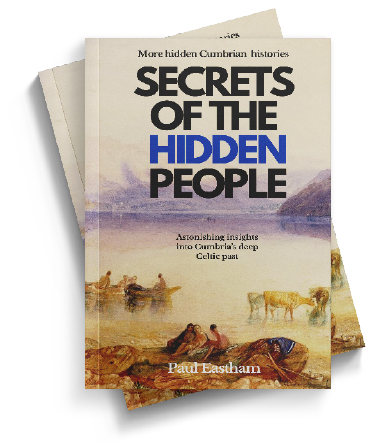
From “Secrets of the Hidden People” available to buy from;
www.fletcherchristianbooks.com
To learn more about what’s happening, follow Cumbria Guide on our social media
Share It: