WHEN FEAR TOOK HOLD: The Dark History of Cumbria’s Witch Trials
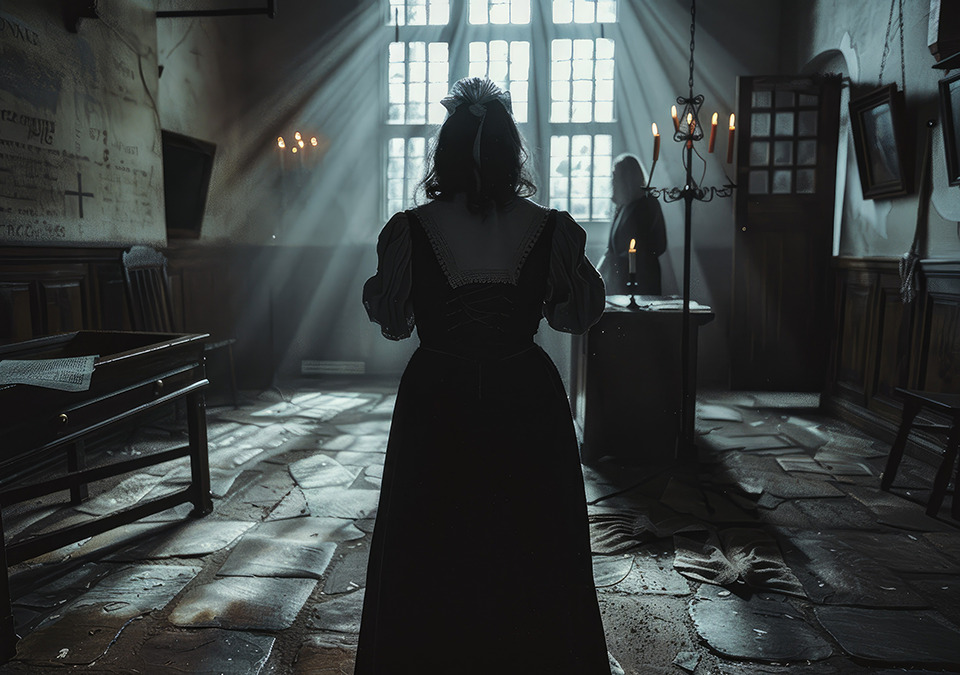
WHEN FEAR TOOK HOLD
The Dark History of Cumbria’s Witch Trials.
by Paul Eastham
A horrible obsession gripped Cumbrians after the shattering destruction of the Cromwellian Civil War. They began persecuting large numbers of people, largely women, for practising witchcraft.
For thousands of years, it was believed certain women could communicate with gods and heal using natural remedies. They were called “wicce” in Old English and seen as beneficial.
But during and after the 1642-1651 Civil War, revolutionary Puritan leaders tried to acquire all religious authority. They accused traditional Celtic healers as witches, saying they made pacts with the Devil in exchange for their powers.
Ordinary people were left with a deep sense of trauma and loss by the nine-year nightmare that killed an estimated 3,200 in Cumberland and Westmorland, more than 5% of the population. They wanted someone to blame.
The beheading of Charles I and distrust in the Church of England, which was seen as prolonging the war, left Cumbrians feeling spiritually rudderless. They flocked to fringe sects that filled the vacuum, particularly Quakerism.
The movement was led by the straggle-haired charismatic George Fox who terrified the authorities by addressing hundreds of followers at open air gatherings such as at Pardshaw Crag near Cockermouth, promising universal equality and heaven on earth. He claimed to have “a spirit of discernment” that allowed him to spot the witches who were causing the everyday misfortunes that were preventing good things from coming about.
In many small, stressed Cumbrian communities old grudges, jealousy and property disputes were reformulated into accusations that individuals were causing harm by magical or occult means. Thus, a witch hunt swept across Cumbria, egged on by Puritan hard-liners who believed literally in witchcraft, sorcery, divination, and related practices condemned in scripture.
The victims were overwhelmingly destitute, widowed, elderly, outspoken, independent and isolated women. Oddballs, loners, those who outraged traditional gender roles, displayed knowledge of ancient Celtic herbal medicine or practised midwifery were the most typical victims.
The flurry peaked in April 1659, when the village of Winton in Westmorland became the centre of a notable witch trial. Margaret Bousefield accused several women of bewitching her.
The proceedings were heavily weighted against the defendants. If the accused cried or seemed afraid during the trial, that was taken as a sign she was a witch. An examiner would look for a diabolical mark on her body, like a birthmark or mole, which was a sure sign they were a witch. If he couldn’t find one, he was entitled to claim magic had made it invisible. A jury found the defendants guilty. They were hanged at the Appleby General Sessions.
Evidence Cumbrians believed in witches is visible at Winton Hall near Brough, where the alleged witches were apprehended. Witch marks intended to ward off evil were carved in 1665 on the fireplace.
In 1637, James I’s son, Charles I, granted Carlisle its governing charter, giving officials wide powers to investigate: “All manner of poisonings, enchantments, magic art, trespasses, forestallings, regratings and exortations whatsoever.”
The Audit Book of Carlisle for 1649-50, listed: “Item for ye witchfynder £6.10s,” the equivalent of £35,000 today. Witch hunting was only decriminalised in 1735.
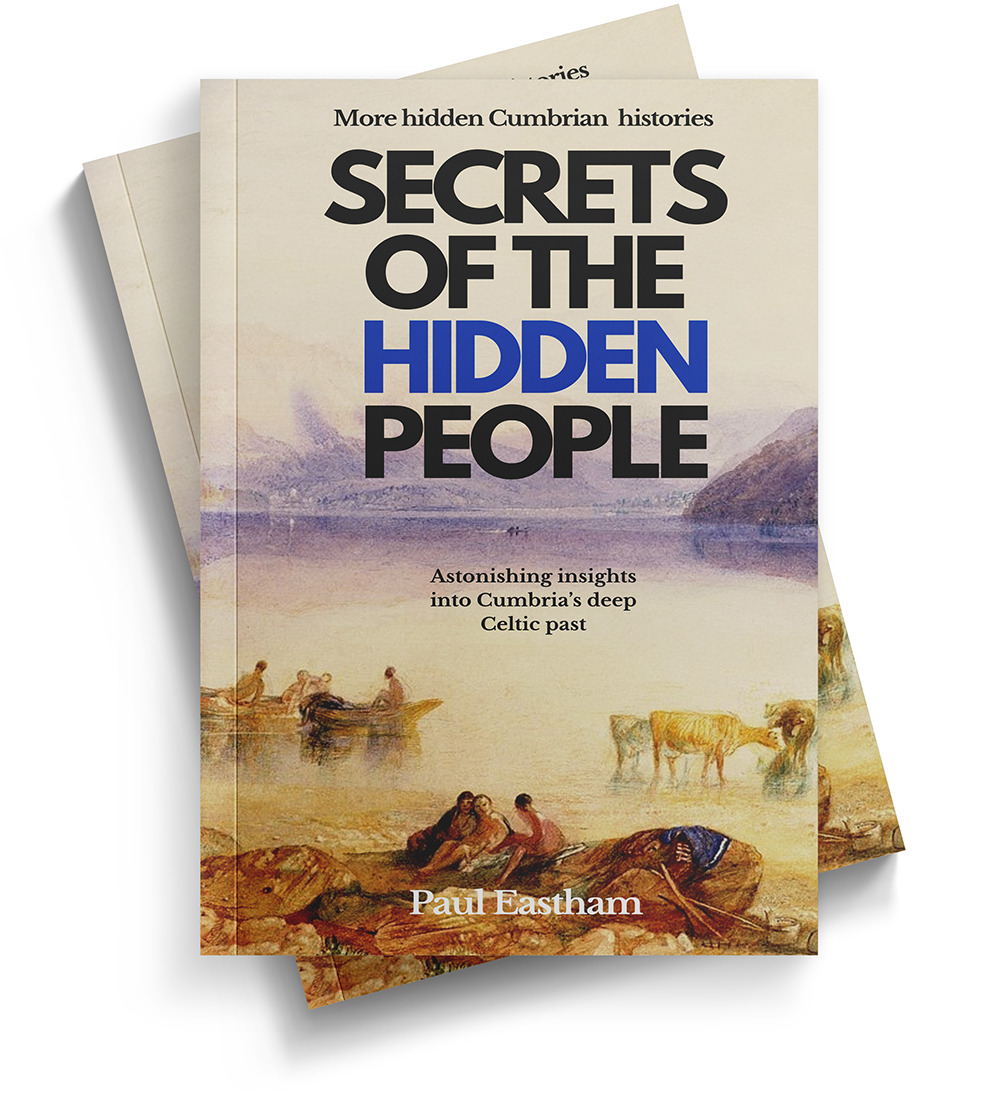
Extract taken from: ‘Secrets of the Hidden People.’
www.fletcherchristianbooks.com

If you love our magazines, we can now deliver them directly to your door, ensuring you never miss an issue! Subscribe & Save for a guaranteed 12 months of delivery direct to your door!
Share It: