Foraging : A Taste of The Wild in Cumbria
Who doesn’t remember foraging when they were younger? Diving into the thorny hedgerows to pick off the juicy blackberry jewels, filling carton after carton and ending up with rich purple fingers?
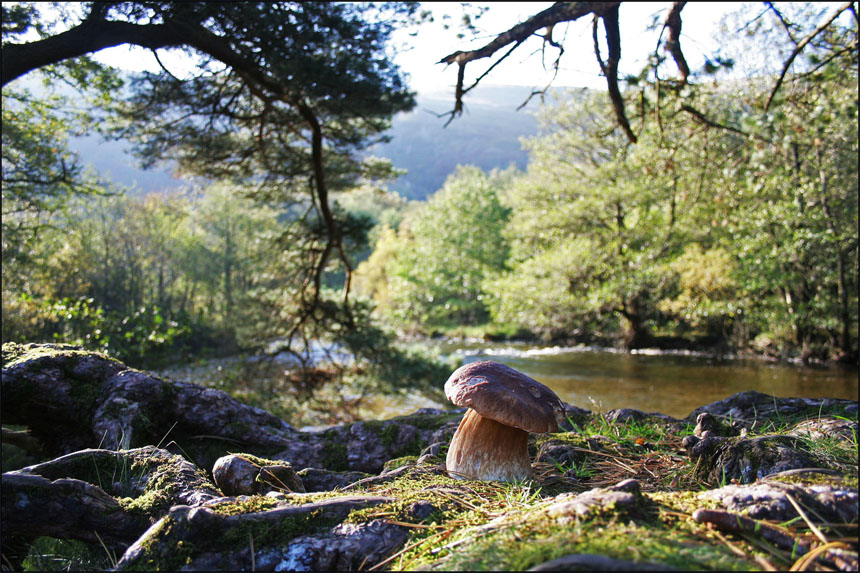
With each season comes bountiful harvest of foods and now that the autumn months are drawing in, it’s the perfect time to get out in to the countryside. Cumbria provides a haven of hedgerows, woodland and coastal areas which make ideal locations for hunting down some interesting edibles.
Speaking with foraging fanatic and food blogger Alan Spedding, we found out what tasty treasures can be found after a rummage through nature’s parlour.
Alan said: “Foraging in West Cumbria is fantastic; it is a forager’s and chef’s dream. The whole place is just full of foods waiting to be found, it’s a completely free larder. If you go down to places such as Loweswater, Crummock Water, or St Bees, the place is just covered in sea spinach, sea cabbage, sea kale, seaweed, you can make a meal out of everything.
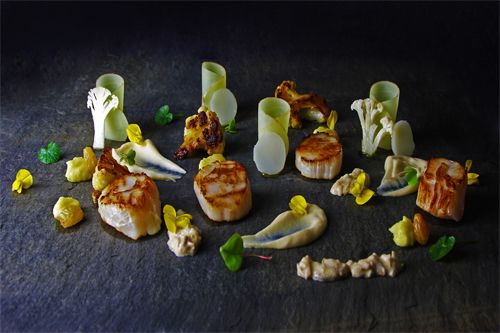
Foraging has seen a revival in recent years with restaurants including L’Enclume in Cartmel basing its ethos on offering an upscale menu of locally sourced seasonal fare.
Alan said: “It has very much become a trendy thing to do, especially for restaurants with a lot of chefs now locally foraging for their ingredients. Chefs such as Simon Rogan led the way and now everyone is jumping on the bandwagon, but I also think it is very much a novelty and is currently at its peak. Eventually it will be replaced by something else.
“I think it has become so popular because people know they aren’t going to get something they’ve had before and they know they can’t get it anywhere else. There are also a lot of celebrity chefs who endorse it, like Hugh Fearnly-Whittingstall.”
Not only can foraging be a cheap way to inject some excitement into everyday meals, but it can also be a great way to get children interested and involved in the new foods. Whether it is rosehips, elderflower, hawthorn berries or mushrooms, there really is an abundance of lavish pickings waiting to be harvested at this time of year. Alan added: “Autumn is the best time for foraging because everything is coming into season, even game is in season so all the chefs go crazy at this time of year.”
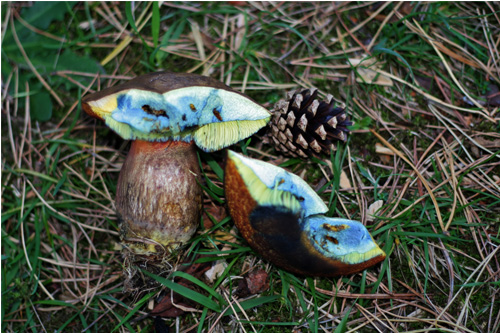
One thing to remember when heading out into the countryside is if you aren’t 100 per cent sure what it is you’re looking at, don’t touch it. While there is a whole array of foods that are completely safe to indulge, others aren’t and could make you rather poorly.
Alan added: “Choose foods that are easily identifiable, if you don’t know what some things are you could end up killing yourself, some foods can be extremely dangerous, even just touching something that is poisonous can be disastrous; you have to be 100 per cent sure. Plants including Hemlock which could be mistaken for wild parsley is highly poisonous and some perfectly safe mushrooms are nearly identical to poisonous ones and could be easily mistaken.”
Alan’s love for foraging has him practically diving into roadside hedges just to find that next exciting ingredient. He said: “For me foraging is a passion, its good food for free. I can’t drive down the road without stopping for a look in the hedgerows. The whole area is full of free food and it’s so rewarding when you find ingredients that you can then go home and cook; beautiful meals can be made up just from foods you find outdoors, and the best thing is it doesn’t cost a penny.”
Share It: