Cumbria Rocks: Explore the Cumbria that lies beneath your feet
Cumbria Rocks: Explore the Cumbria that lies beneath your feet.
With England’s highest peaks and deepest lakes, Cumbria boasts an amazing variety of landscapes and wonderful wildlife habitats – as a new book explains, this is all thanks to rocks.
I received this book just before Christmas, and what a fantastic early Christmas present it was too.
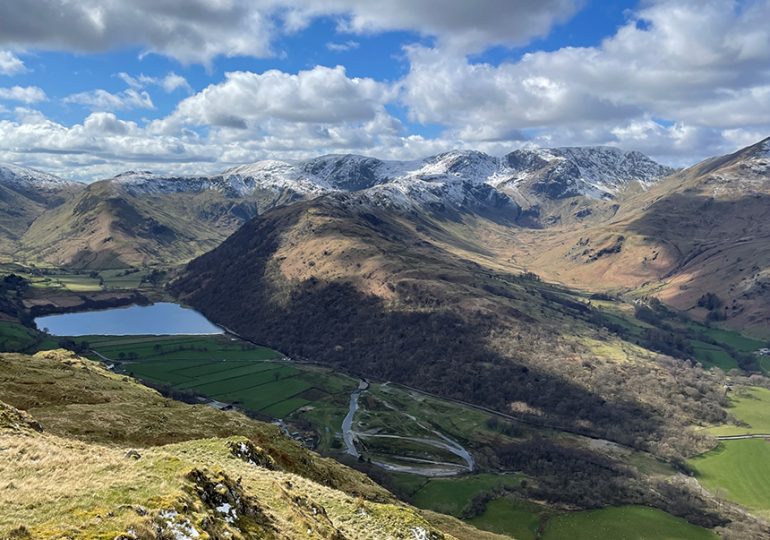
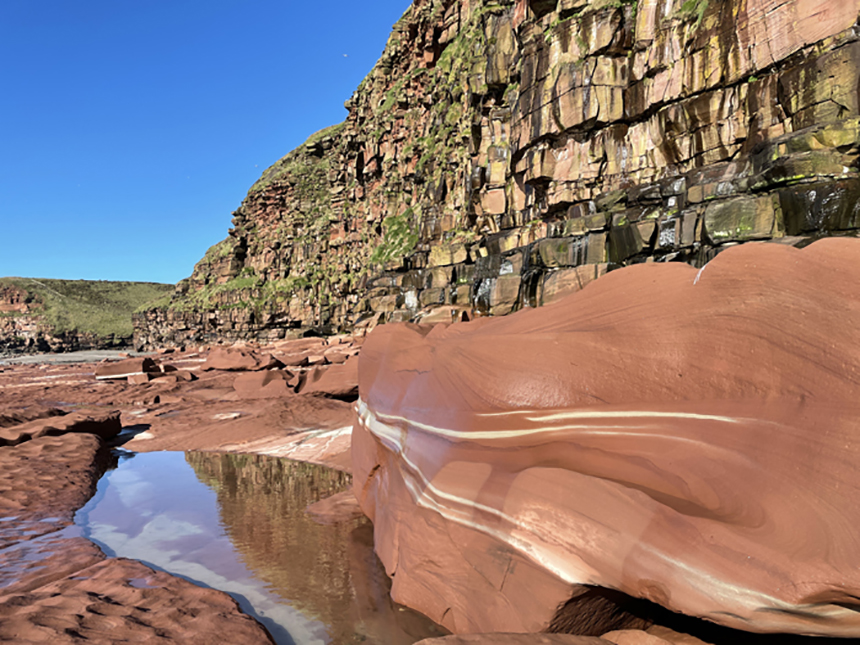
Cumbria Rocks looks at Cumbria from a different and engaging perspective, a real eye-opener where 60 different areas are put under the microscope. Stunning pictures are accompanied by brief, easy-to-read geological descriptions alongside the history of the area, interesting facts, and also where to park to access these sites.
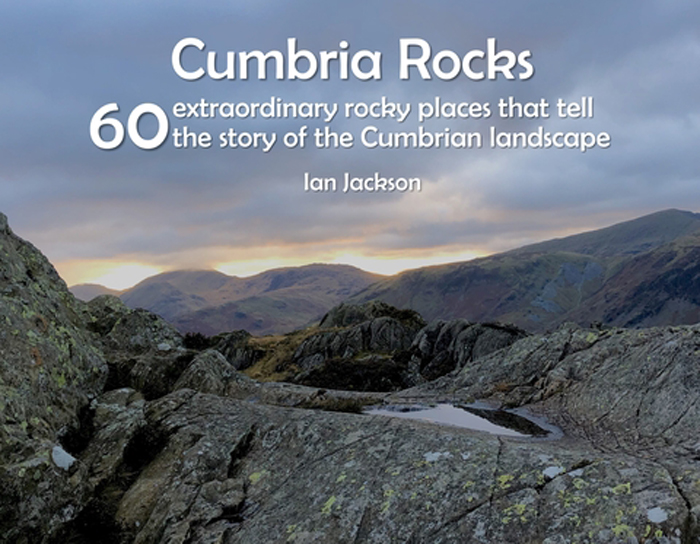
The book has been published as part of the Cumbria Wildlife Society’s 60th anniversary.
This new, richly illustrated book, Cumbria Rocks, is for everyone curious about their landscape.
The author, Cumbrian geologist Ian Jackson, takes readers on a journey across the whole county and 500 million years of Cumbria’s history, from caves that were once a red-hot desert to a nature reserve that 180 million years ago was Cumbria’s very own Jurassic Park. The stories connect Cumbria’s rocks to the county’s wildlife, history, economy, art, and society.
Ian says, “It’s not a typical geology book—it’s a picture book! With full-page colour photographs, it opens a window into the Cumbria beneath your feet. Each page encourages you to explore the whole county and its diverse and beautiful places to understand why they are as they are. The 60 rock sites are wonderfully diverse and range from the Scottish border to Morecambe Bay, and from St. Bees Head to the Pennine Hills. The book doesn’t just cover places you may know in the Lake District, but many other stunning locations across Cumbria are waiting for you to discover.
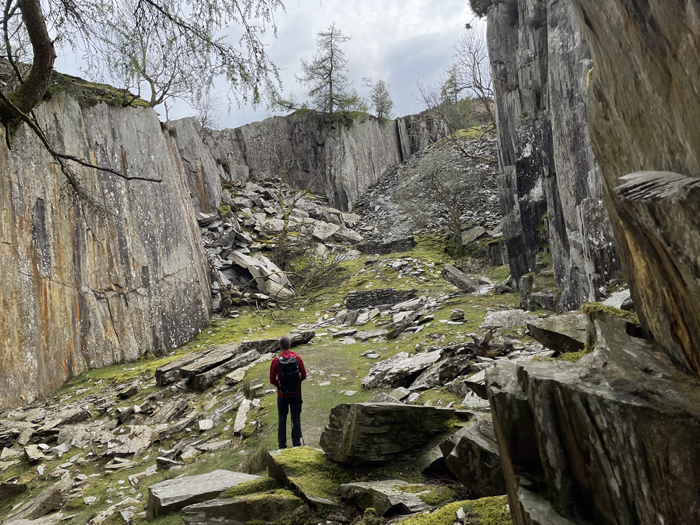
This book is a personal selection of 60 special places where rocks make a statement about Cumbria’s landscape, wildlife, history, and culture. When I was a boy, I was full of questions about where I lived. What are those rocks and crystals made of? Did dinosaurs and mammoths ever live here?
Like most scientists, I guess, as we get older, we forget the fundamental questions that made us curious and full of wonder when we were younger. I wanted to produce a book that helped answer people’s deceptively simple questions about the county I grew up in. I wanted to make the real story of our landscape accessible for everyone and more relevant.”
Stephen Trotter, CEO of Cumbria Wildlife Trust, says: “I hope this book inspires people to pull on their boots and helps them discover amazing places where they can climb over remnants of old volcanoes and deep oceans, experience the power of ancient earthquakes, walk over a crag that was once a coral sea, witness the awesome force of the last Ice Age, or simply wonder at the ingenuity of our ancestors who used these rocks in so many ways to create our shared heritage. But this wonderful array of rocks and landscape we have is not only important in its own right, it provides the foundation for all of our habitats and wildlife—it is literally the bedrock of our biodiversity.”
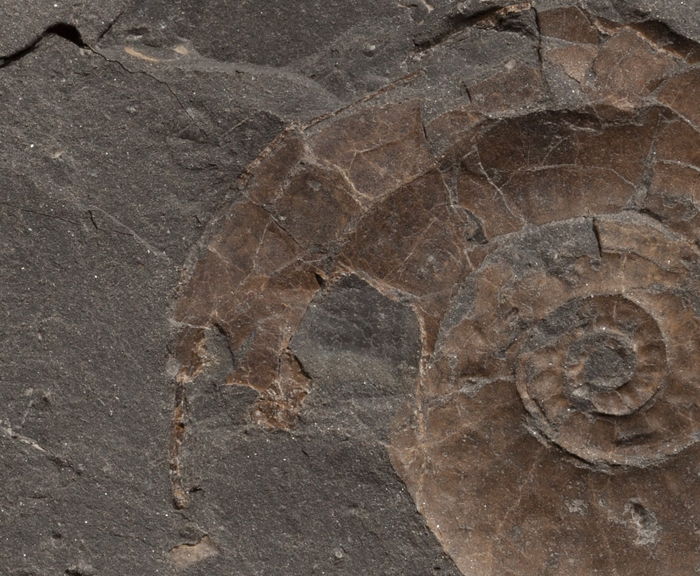
What I love about this book is the simplicity with which it is written, ensuring everyone can enjoy it and learn from it; the layout; the fantastic photographs; and the fact that Ian has taken most of the photographs with his iPhone, which is refreshing as it will hopefully inspire others to get out and take pictures, knowing they don’t have to spend a small fortune on camera equipment to get brilliant pictures of these lovely sites featured in the book.
So if you love Cumbria, geology – local history, and like to get out and discover the great outdoors, then get this book and take a step back in time—it is an absolute gem.
Priced at £14.00, the book is published by Northern Heritage, can be ordered online from Northern Heritage and via a link on the Cumbria Wildlife Trust website, and is available in many bookshops around the region. All profits from the sale of the books will go to the Cumbria Wildlife Trust.