EYES TO THE SKY: Kids’ Birdwatching in Cumbria (May-June)

EYES TO THE SKY
Kids’ Birdwatching in Cumbria (May-June)
by Danni Murphy
Spring and early summer are wonderful times to go bird watching in Cumbria. Birds are busy building nests, finding food, and raising their chicks.
With a little patience and a good pair of eyes, children can spot many different birds in gardens, countryside, and along the coast. Here are four birds you might see in Cumbria during May and June.
Garden Bird
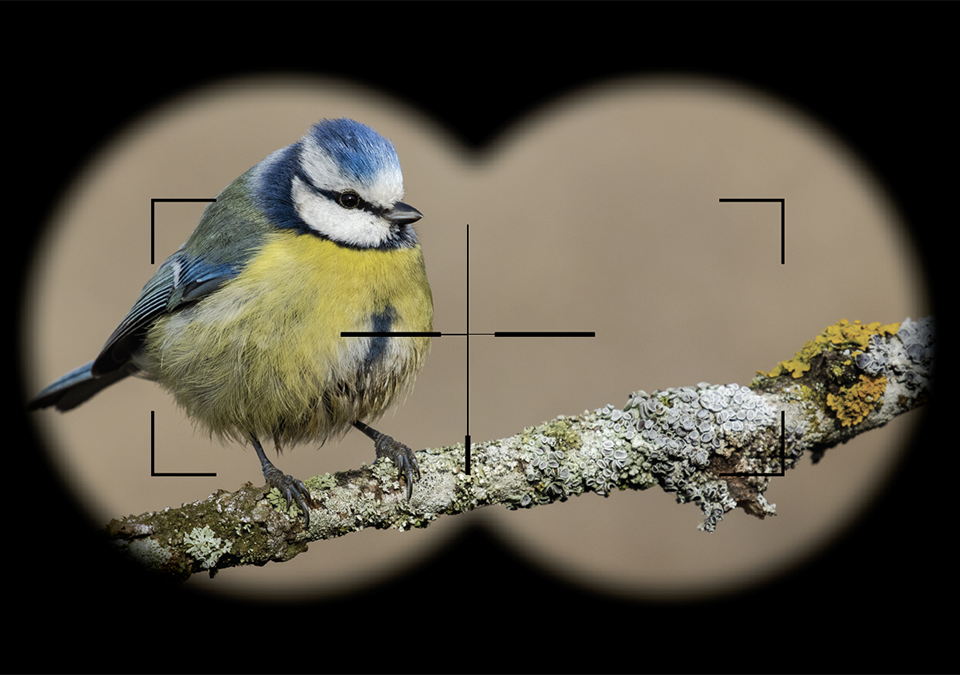
The Blue Tit
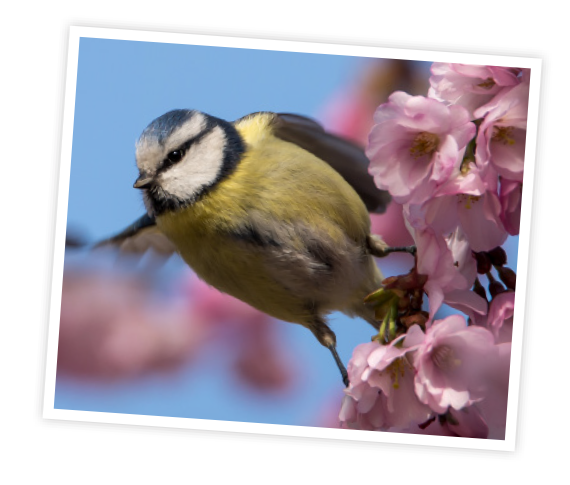
The cheerful Blue Tit is a small, colourful garden bird. It has bright blue and yellow feathers and a white face with a dark stripe through its eyes.
Blue tits love visiting gardens where they search for insects, caterpillars, and seeds. In May and June they are often busy feeding their hungry chicks, which can eat hundreds of tiny insects each day!
Fun fact: Blue tits often nest in bird boxes or small holes in trees.
Where to spot: Garden
Bird of Prey
The Sparrowhawk
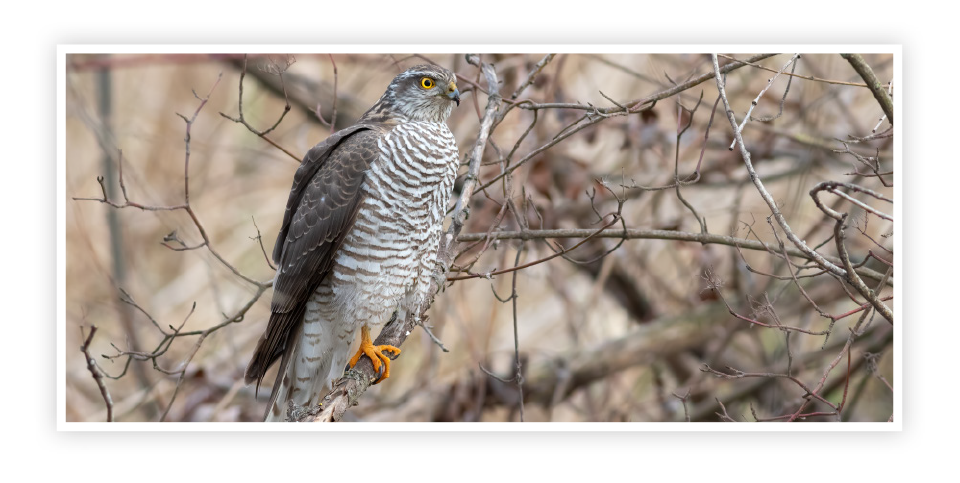
The speedy Eurasian Sparrowhawk is a bird of prey that can sometimes be seen flying quickly through gardens and woodlands.
They have brown/grey colourings with striped chest feathers
Sparrowhawks are skilled hunters and mainly catch small birds. They are very fast and can twist and turn through trees while chasing their prey.
Fun fact: Female sparrowhawks are much bigger than males!
Where to spot: Countryside
Wading Bird
The Curlew
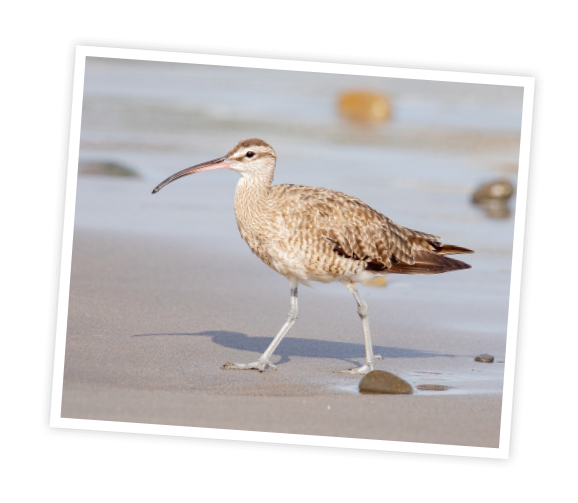
One of the most special countryside birds in Cumbria is the Eurasian Curlew. It is easy to recognise because of its very long, curved beak.
Curlews often live in fields, wetlands, and moorland. Their loud, bubbling call can sometimes be heard across the countryside in spring and early summer.
Fun fact: Curlews use their long beaks to probe deep into mud or soil to find worms and insects.
Where to spot: Countryside
Seabird
The Guillemot
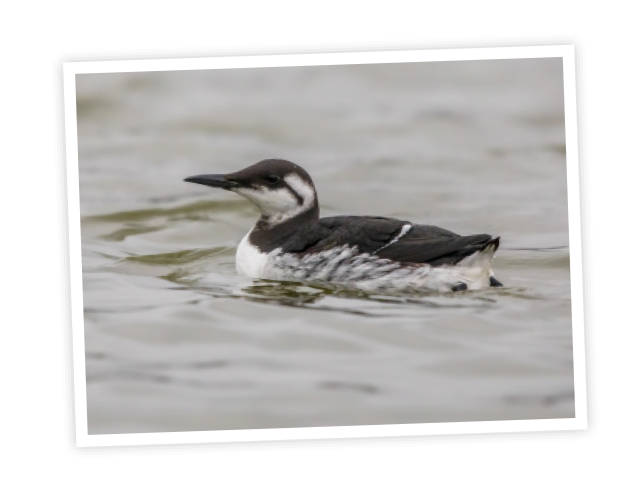
Along the rocky cliffs of the Cumbrian coast, you might see the Common Guillemot. These seabirds have dark backs and white bellies and often gather in large, noisy groups.
In May and June, guillemots come to cliffs to lay their eggs and raise their chicks. They stand very close together on narrow ledges above the sea.
Fun fact: Guillemots can dive deep underwater to catch fish!
Where to spot: Around coastal cliff areas
Bird Watching Tips for Kids
- Stay quiet and patient so birds don’t fly away.
- Use binoculars if you have them.
- Look early in the morning, when birds are most active.
- Keep a bird diary and write down what you see.
Bird watching is a fun way to explore nature in Cumbria. You never know what amazing bird you might spot next!

If you love our magazines, we can now deliver them directly to your door, ensuring you never miss an issue! Subscribe & Save for a guaranteed 12 months of delivery direct to your door!
Share It: