Take A Step Back in Time At The Beacon
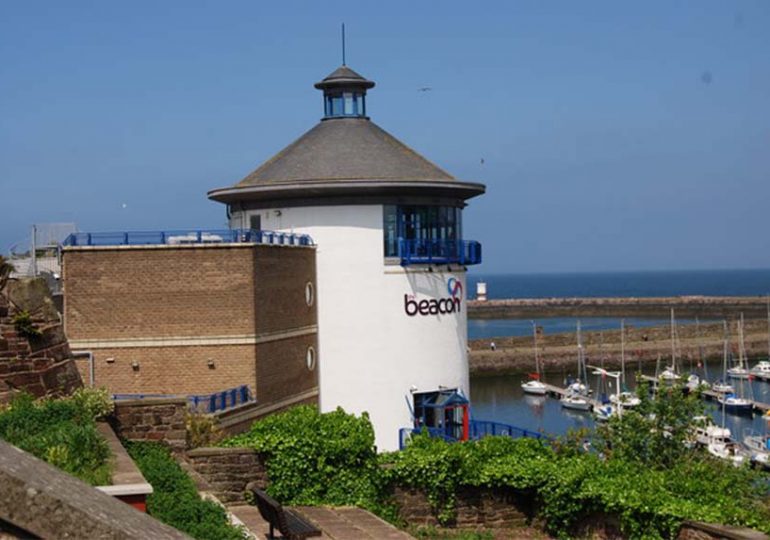
Take a step back into Whitehaven’s fascinating past on one of The Beacon Museum’s guided history walks.
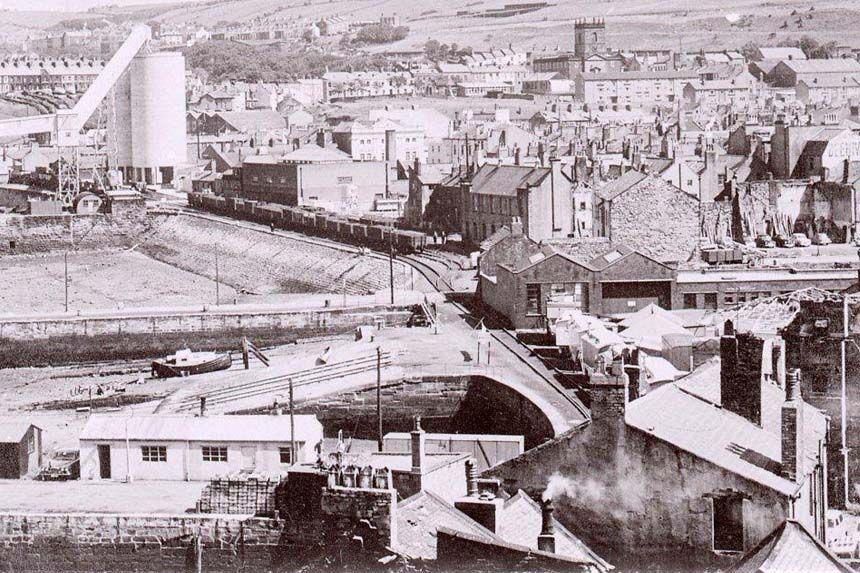
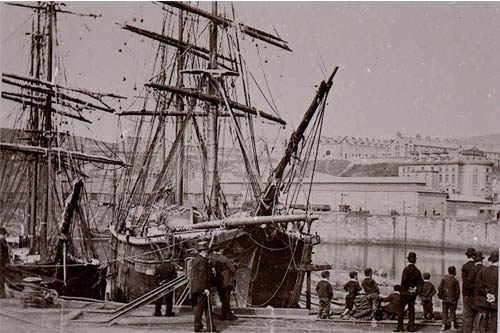
Standing on the harbour front, it’s hard to imagine that the landscape was once ruled by a very different class of people. The creation of the first planned town since medieval times, began when the Lowther family arrived in 1599. They knew of the rich coal beneath the ground and began the development of the harbour, in 1634 Christopher Lowther built the Old Quay. The demand for the coal was high and 80 percent was going straight across to Ireland. The wealth was churning back into the town.
The tour, which is led by The Beacon Museum’s Learning Officer, Alan Gillon, begins on the harbour, with the original cannons and the remains of the fort, which was invaded by John Paul Jones. Looking across the harbour, on the North Shore, is where William Pit was until it was sunk in 1806. A bit further along, Whitey Rock can be seen, the site of the former Lonsdale Iron Works.
Alan explained: “A lot of people imagine that coal was the main industry in Whitehaven, and there was 120 coal mines in Copeland at one point, but there was also ship building up until the year of 1889, textiles, potteries, iron works and also the involvement with the transatlantic slave trade.”
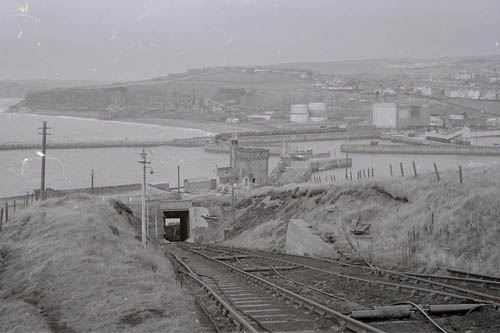
At the top of the hill, is the Candlestick, the final remains of Wellington Pit and iconic enough in itself. The design was based on that of a real silver candlestick from Lord Lowther’s castle flat. Then there’s the mining lodge itself, where miners would report to work. Alan paints a graphic picture of them, handing their number in, being given their miners lamp, and then setting off, five miles under the sea.
The best example of the original Georgian architecture can be found up at Newhouses, where the houses were once built in rows and looked onto the workhouse opposite.
Alan said: “The workhouse is where you would go if you couldn’t work or pay your rent; that was the last place you wanted to go, once you’re in there you’ve got no chance or getting out again.”
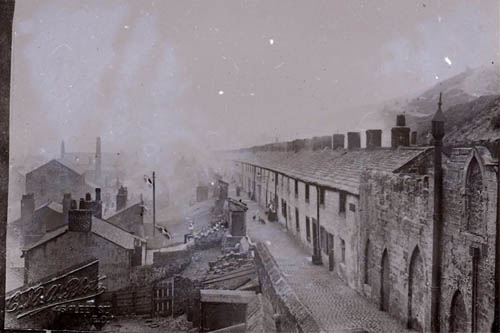
At the beginning of the Victorian period, the population of the town was just under 9,000; by the Edwardian period it had reached over 20,000. In 1654 Whitehaven was given its market charter and although the town looked idyllic at first glance, overcrowding was becoming an issue. Disease spread quickly and mortality rates were high, although The Plague never quite reached Whitehaven, Tuberculosis was rife. There was a sharp contrast, one side of town housed rich merchants, but the other was extremely working class.
Walking through the town, the tour passes the house of painter Matthias Read commissioned by Lord Lowther to paint the town in 1736, followed by that of Abraham Acton, recipient of the 1914 Victoria Cross. After a trip through the once thriving, market square, the Market Hall itself is evidence of the money the town has come from.
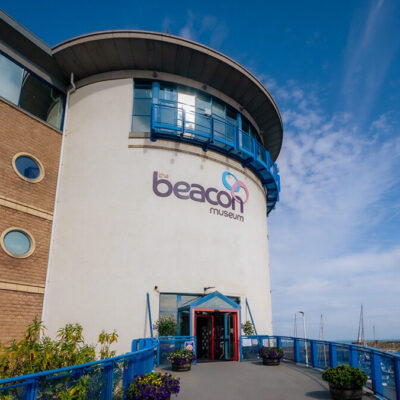
Heading back to The Beacon Museum, where the tour will conclude, Alan said: “It is very different each time, each one of us will add something. Some people come on a tour and they’ve got far more knowledge than I’ve got, I learn a lot from them.”
He added: “The history here is so diverse and so varied here, some of the stories that you read about you think, how can you not be proud of what we’ve got?”
The events will launch for the public on 19 July, taking place three times a day, every Monday, Wednesday and Friday. Tours of either the harbour or town are on offer and both last for around 90 minutes.
Book online at www.thebeacon-whitehaven.co.uk and for more information contact 01946 592302
Share It: