Spring/summer time hazards to dogs
Spring/summer time hazards to dogs
As the seasons change and the days become longer and warmer we all feel the call of the wild pulling us out of our homes and on adventures.
by Danni Murphy
In Cumbria, we have beaches, lakes and oodles of wilderness to play in with our poochie companions. We want you and your best mate to enjoy being out and about in the sunshine, but we also want you to know the hazards and dangers that this change of seasons can bring to your dog.
Here we have highlighted some of the most common Spring/Summer nasties to keep look out for to ensure your dog can continue joining you on outings!
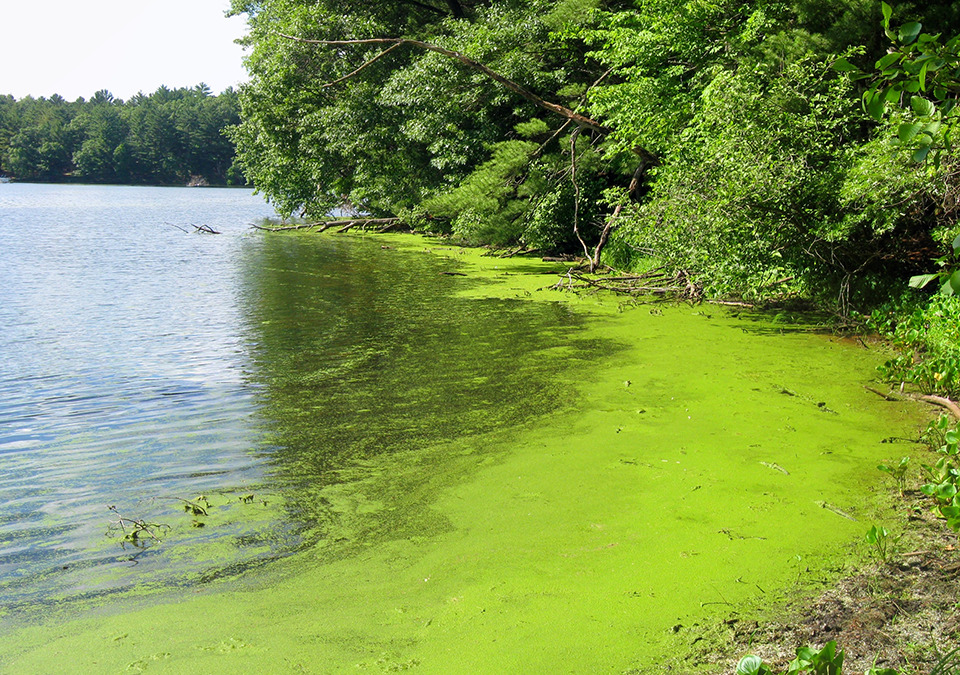
Blue Green Algae
Blue-green algae bacteria cannot be seen with the naked eye unless they clump together. When this happens, or when blue-green algae blooms on the water, it can look like;
- Blue-green scum has appeared on the surface of the water – this sometimes looks a bit like pea soup
- Green flakes, greenish bundles or brown dots in a pond, lake or stream
- Green, blue-green or greenish-brown paint on the surface of the water foam around the edges of ponds and lakes
- You may notice dead fish in ponds or lakes with a high concentration of toxic blue-green algae.
Do not let your dog drink from any water containing dead animals.
Symptoms of ingestion
Call a vet immediately if your pet shoes any of these symptoms after visiting an area that’s affected by blue-green algae;
- Vomiting (being sick)
- Diarrhoea
- Seizures or fitting
- Weakness, collapse or unconsciousness
- Disorientation or confusion
- Drooling
- Breathing difficulties
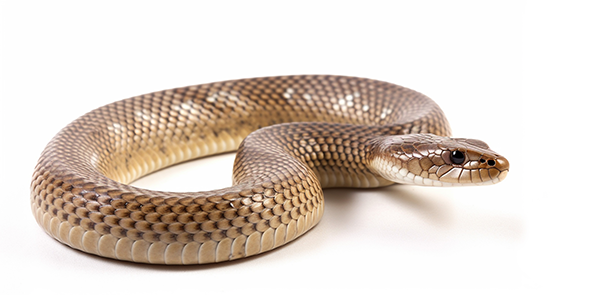
Adders
Long grass is the perfect place for dogs to sniff, run and explore but in the warmer months there can be all kinds of little creatures who either perceive your playful pal as a threat. Adders bask in the warmth of the sun’s heat and so are often out in the day time gaining energy, they don’t usually actively attack large animals unless they feel threatened and a bounding dog, to them, is exactly that. Adder’s are the UK’s only poisonous snake and although a bite is unlikely to be fatal to a human, they can be very dangerous to dogs. If you suspect your dog has been bitten by an adder they require urgent attention from a vet!
Symptoms
- Small puncture wounds
- Swelling
- Bruising
- Pain
- Lameness
- Dribbling
- Being sick
- Increased temperature
- Bleeding
- Changes to the heartbeat, blood pressure and breathing rate
Ticks
Springtime is when ticks are most active and they can carry nasty infectious diseases that can be passed on to both you and your dog.
- Always check your dog for ticks after going for walks in and around the lakes. Thoroughly run your hand over your dog’s body checking for lumps or bumps (don’t forget to check inside their ears).
- Ticks should be removed quickly and carefully, but if you’re unsure how to do this then you should always ask your vet for advice.
- Never try to burn the ticks off or try to smother them in petroleum jelly, as this can increase the chances of being infected by the diseases ticks carry.
Toxic Plants
Many common plants and flowers that bloom in spring and summer are toxic to dogs if ingested. Examples include lilies, azaleas, tulips, and daffodils. Keep your dog away from potentially toxic plants and flowers, both indoors and outdoors.
Pesticides and Lawn Chemicals
Lawn and garden chemicals, such as fertilizers, herbicides, and pesticides, can be toxic to dogs if ingested or absorbed through the skin. Keep your dog off treated areas and follow the manufacturer’s instructions carefully.
Heat stroke
Heat stroke is extremely dangerous to dogs and there are always cases reported during the warmer months. It’s important to remember that if it is a hot day for you, then it’s too hot for your dog.
Although in the nice weather people like to get out with their pets, you could be doing them potential harm if they are exposed to long periods of heat. Never leave your dog in a warm car and if its a really warm day then try to keep them indoors and well hydrated.
To learn more about what’s happening follow Cumbria Guide on our social media
Share It: